Best Photography Spots in Tokyo: Trains, Streets & Viewpoints
Most of the best photography spots in Tokyo are not paid viewpoints or ticketed towers. They are intersections, bridges, train lines, and random streets where nothing is designed for photography but everything works for it.
This guide is based on multiple trips to the city, including two layovers, a full week that happened to coincide with cherry blossom season, and an earlier trip almost a decade ago. It combines all the locations we kept returning to, and everything on this list is free to access. No entrance fees, no tickets, no reservations.
How to Approach Photography in Tokyo
Tokyo is too big to fully optimise, but you can structure it in zones and move efficiently between them.
Distances are large, but walking is still the best way to experience individual areas. Every neighbourhood has sidewalks, overpasses, and dense commercial streets that make it possible to shoot continuously once you are inside a zone. Move by metro between areas, then walk everything inside that zone.
One thing that stands out quickly is how normal photography feels in Tokyo. Japan has a long history with cameras and photography, and you notice it in the streets. People are used to it. Shooting trains, street scenes, or even setting up a tripod generally doesn’t feel out of place.
That said, as everywhere awareness matters. Avoid blocking walkways, be mindful in crowded areas or near stations, and don’t point your camera too directly at people. As long as you keep that in mind, photographing Tokyo feels very natural.
A few practical things that matter more than gear:
- light changes fast, especially in spring and autumn
- mornings are empty, evenings are structured chaos
- trains are everywhere, and timing matters more than composition
If you want to go deeper into gear choices, Tokyo is actually one of the best places in the world to buy second-hand equipment. The selection is huge, and you often find gear that isn’t even listed online.
We’ve covered this in more detail here:
Guide to Buying Second-Hand Camera Gear in Tokyo
Practical photography strategy
A few patterns that repeat across Tokyo:
- mornings = empty streets + clean compositions
- evenings = the city lights up (lots of neon signs) + movement
- rain = better reflections and depth
Tokyo rewards repetition. The same spot can look completely different within hours.
Where to stay in Tokyo (photography logic)
Accommodation in Tokyo is not just about comfort. It directly shapes how you experience the city. Travel times, early mornings, and late evenings all become part of your shooting rhythm, especially in a city this large.
Thinking in areas instead of individual hotels works best for photography. Each zone gives you access to a different side of Tokyo, and makes it easier to return to the same spots under different light conditions.
East Tokyo
East Tokyo works best if you want direct access to more traditional and structured photography locations. This is where you find riverside areas, Sensō-ji, and various shrines.
It also gives you the easiest access to early morning sessions, especially of the narrow streets around Skytree, the Sumida River, and seasonally the cherry blossom spots that work best before the city fully wakes up.
Recommended hotels:
- ONE@Tokyo by insomnia (budget, great location for early morning Skytree shots)
- the b asakusa (right by Asakusa station)
Central Tokyo
Central Tokyo is mainly about convenience and structure. It’s the easiest base for moving quickly between East and West Tokyo, with strong train connections in all directions.
During the day, especially around Ginza, it feels organised and business-focused with clean streets and less visual chaos than the neon areas. In the evening it becomes much quieter once the shops close, and in the early morning it’s almost empty.
It’s not really a neon-heavy area, but it’s very practical and gives you easy access to train lines, overpasses, and transitions between different parts of the city.
Recommended hotel:
- Hotel Vintage Tsukiji: my personal favourite place to stay in Tokyo! The rooms are very spacious, loft style with seating area. Located in a quiet residential neighbourhood, yet very central and convenient.
West Tokyo
West Tokyo feels more dynamic. This is where you get dense street scenes, neon-heavy areas, and a lot of movement around stations and entertainment districts.
It’s also the best area if you want to be close to nighttime photography spots, where the city becomes more chaotic and visually intense. Many of the strongest train crossings, alleyways, and neon streets are concentrated here or within short metro distance.
Recommended hotels:
- THE KNOT TOKYO Shinjuku (conveniently located in Shinjuku with great bakery downstairs).
- Hotel Graphy Shibuya (features a nice outdoor common terrace on the 7th floor)
Tokyo Photography Map (Free Photo Spots)
All photography locations from this guide mapped out, including train crossings, neon streets, free viewpoints, cherry blossom spots, and local food stops across Tokyo.
East Tokyo Photography Spots — Ueno / Asakusa / Akihabara / Skytree
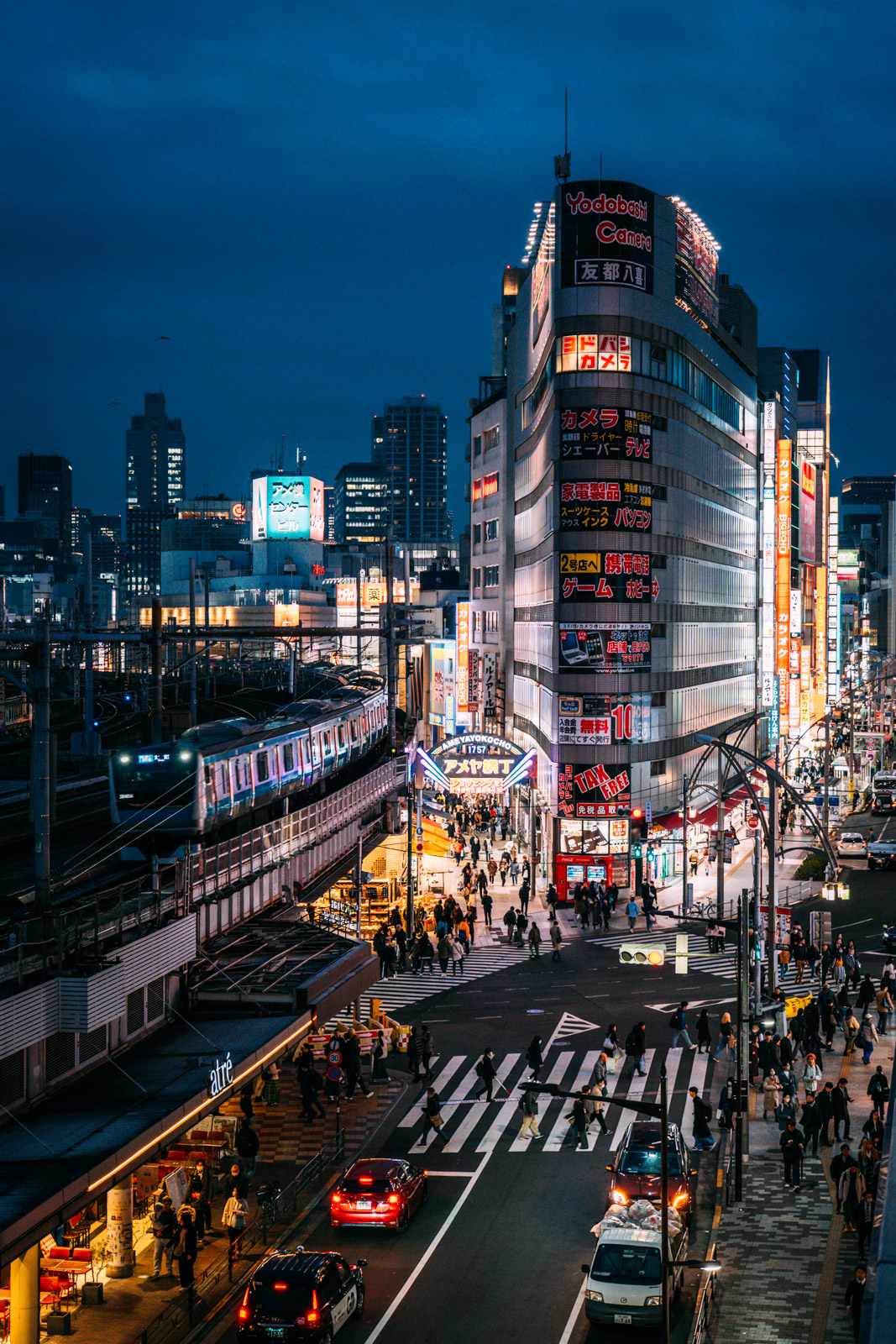
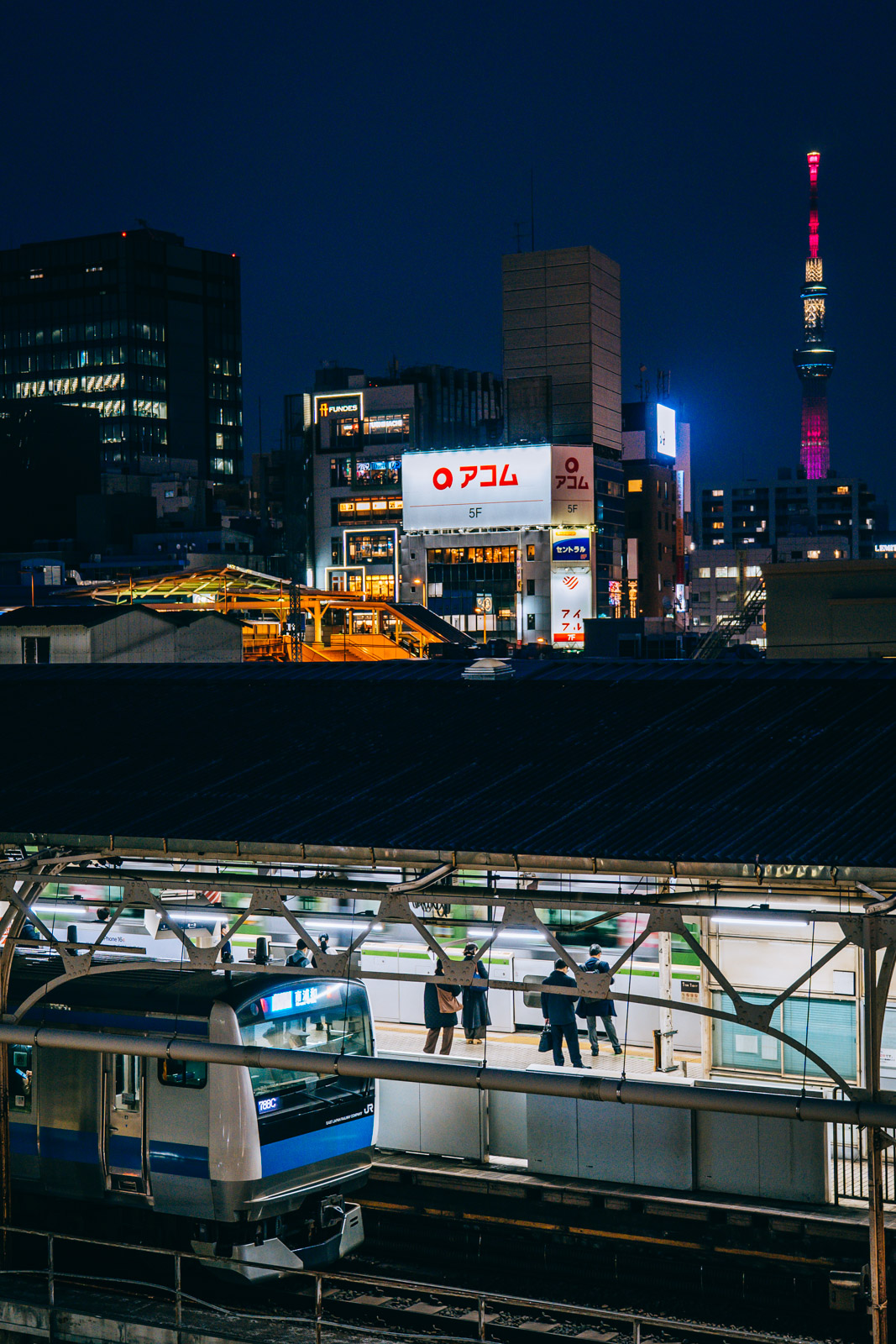
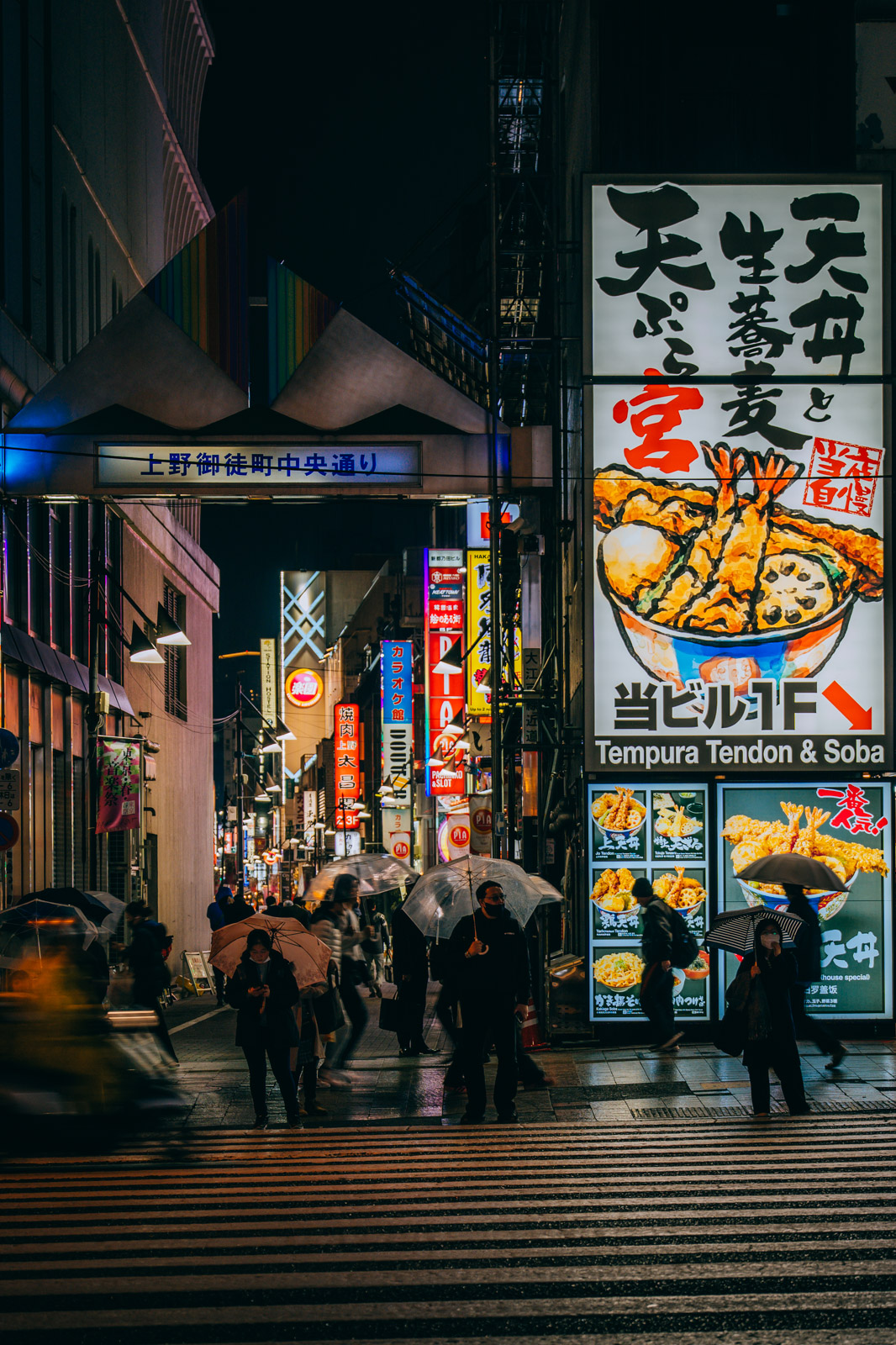
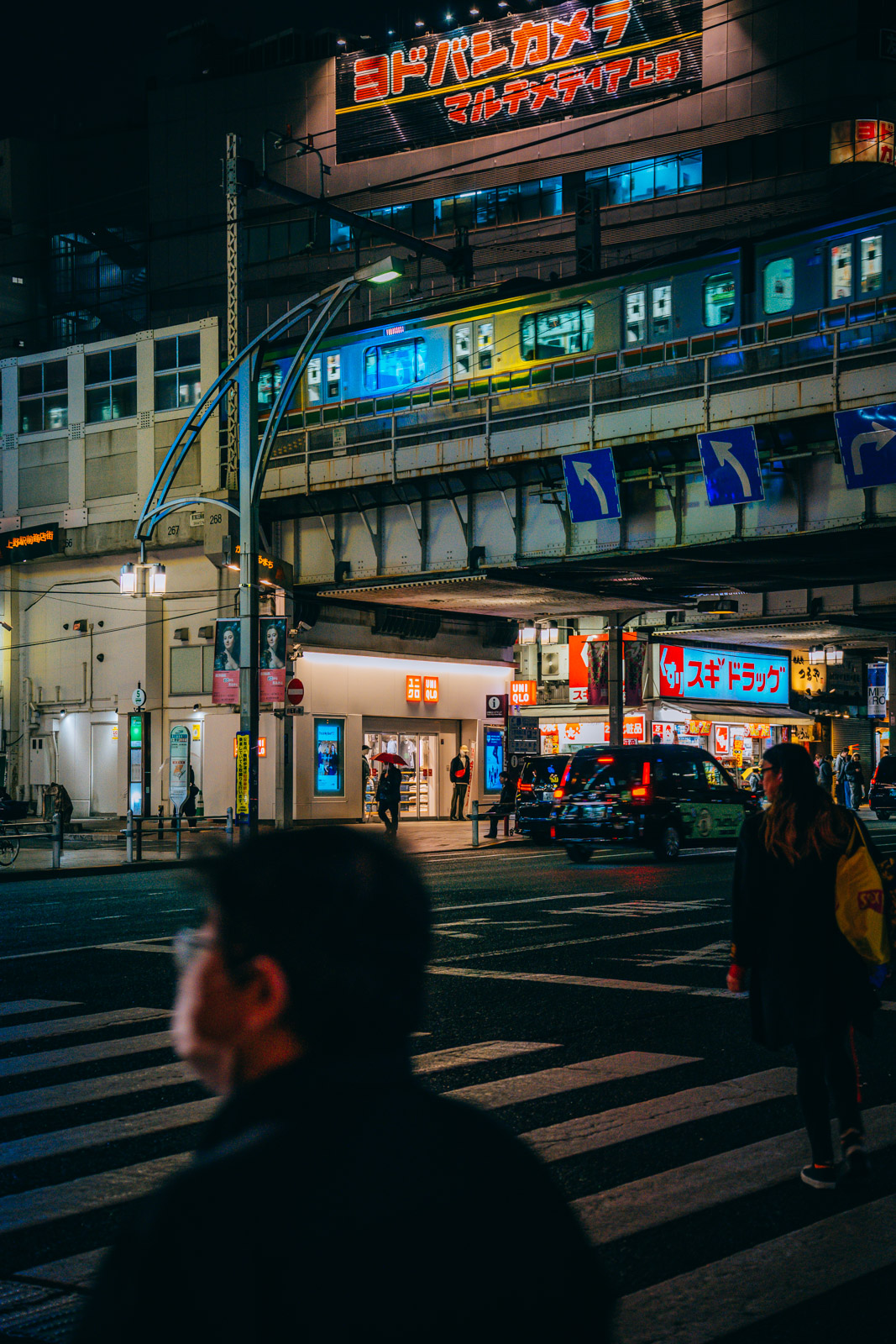
Ueno & Ameyoko (train + street chaos)
One of the most visually dense train + street combinations in Tokyo.
From this elevated viewpoint you get:
- train tracks cutting through the frame
- Ameyoko market entrance directly below
- constant movement in multiple directions, trains, crowds, signage all overlapping in one scene
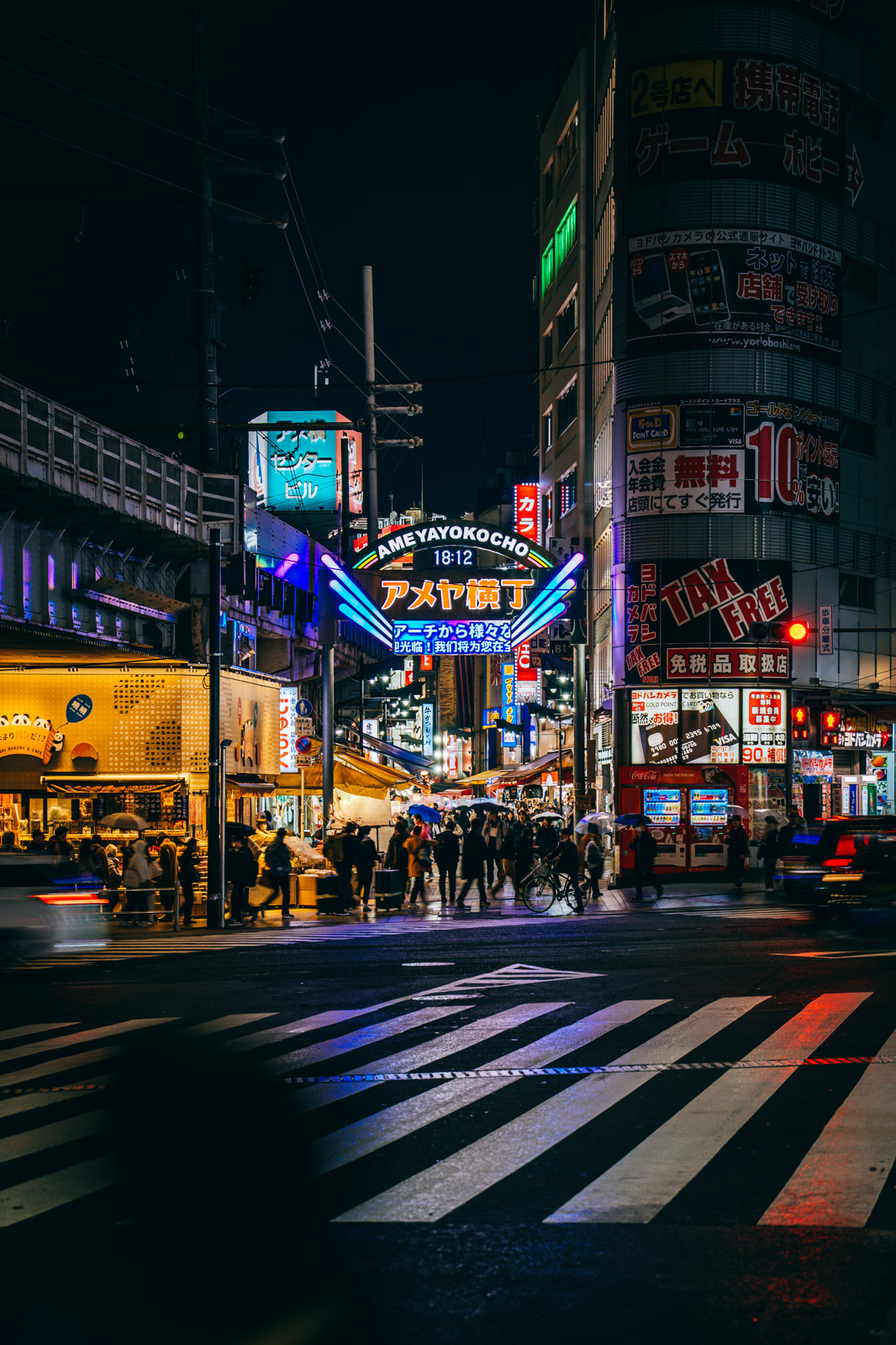
Below the overpass, the streets around Ameyoko are just as strong for night photography, with tight alleys, neon signs and constant street activity.
How to get to the viewpoint:
- Search for “Ueno no Mori Sakura Terrace” in Google Maps. This is the easiest way to locate the spot
- Take the train to Ueno Station and head towards the Shinobazu Exit
- Cross the main road towards the Sakura Terrace building
- Take the elevator or spiral staircase all the way up
- That’s it! This is the overpass viewpoint over Ameyoko
Asakusa visitor center rooftop & surroundings
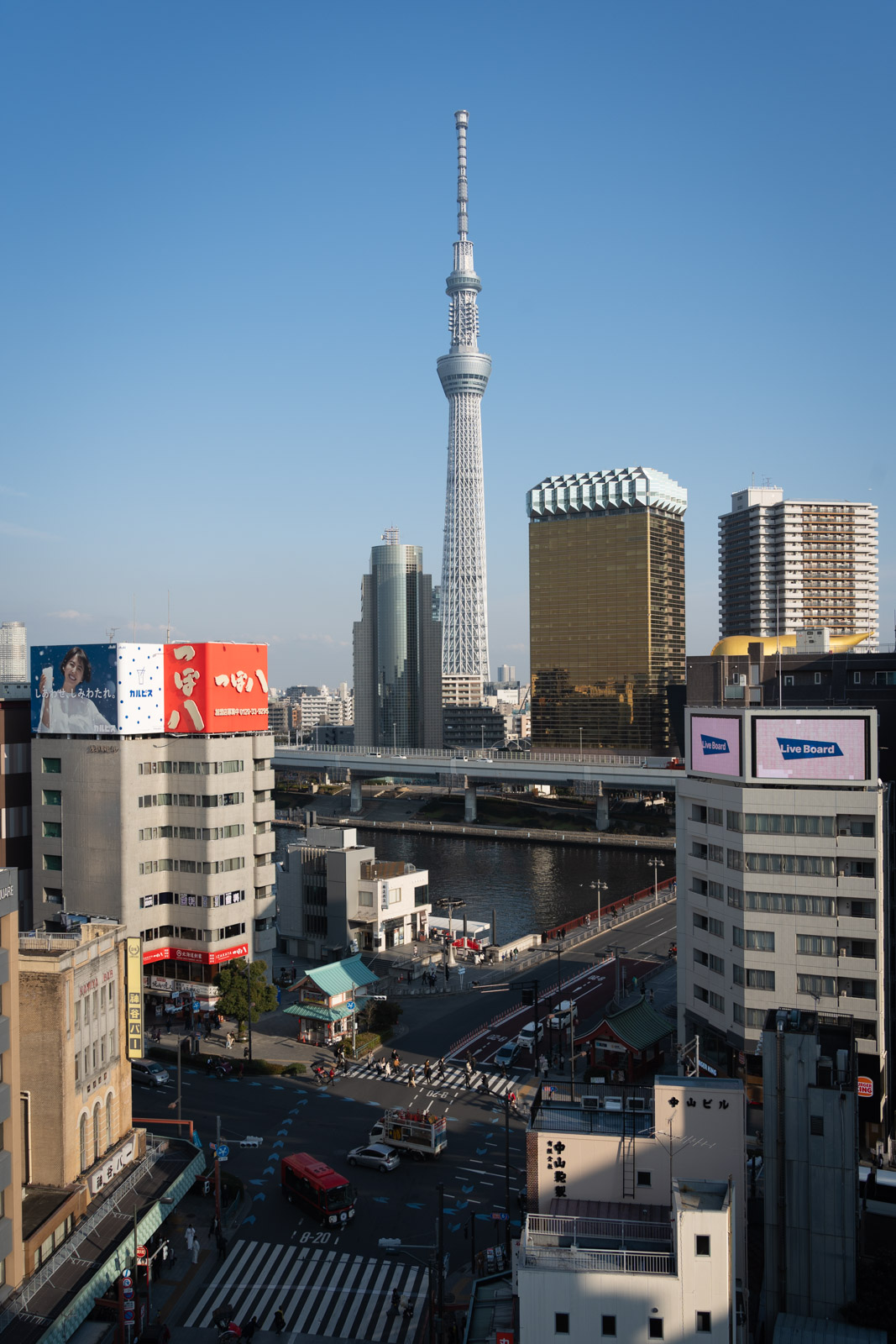
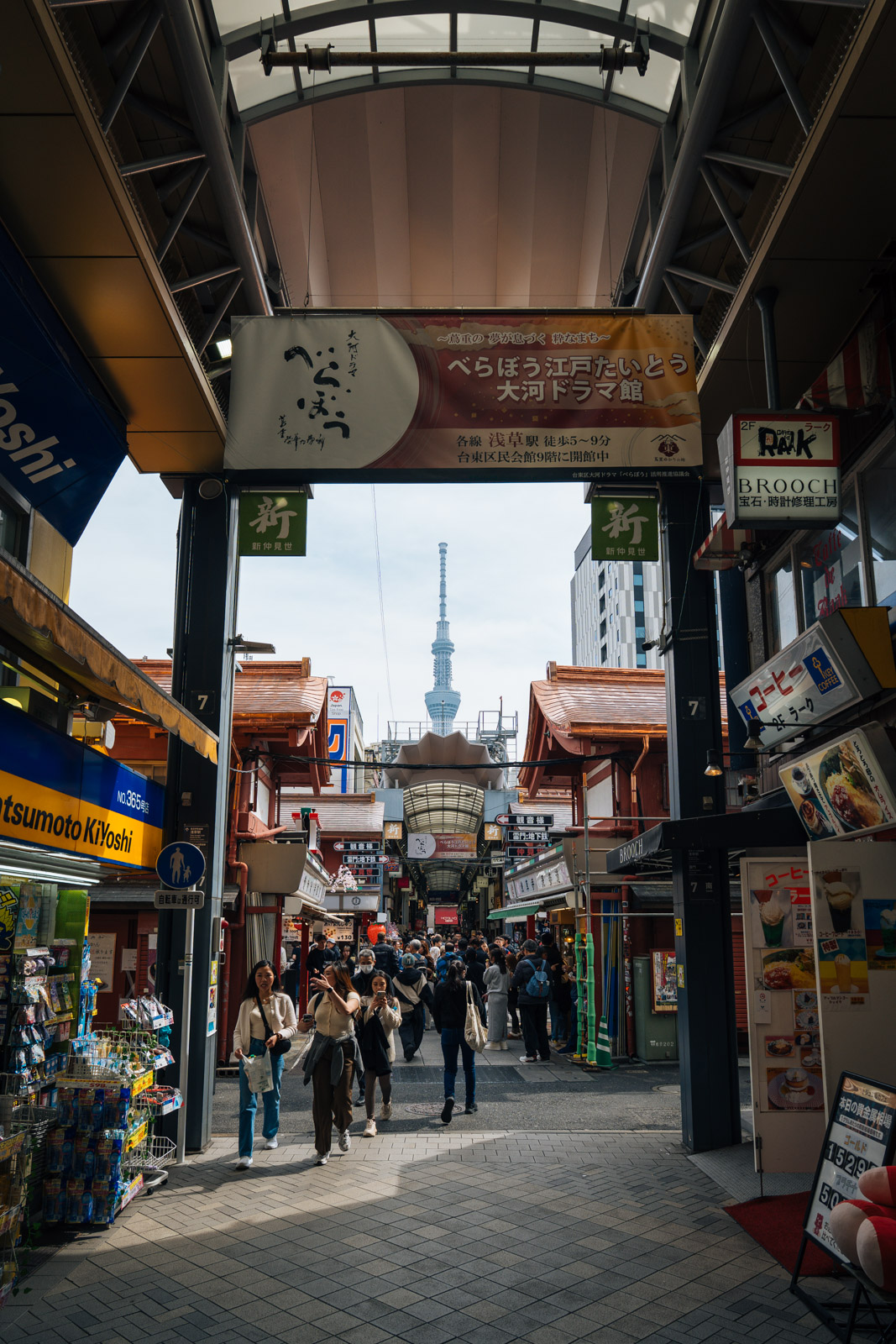
One of the cleanest elevated views in Tokyo, without paying for an observation deck.
From the top you get:
- a direct view towards Tokyo Skytree
- rows of traditional low-rise rooftops stretching through Asakusa
- the full street perspective of Nakamise Street leading up to Sensō-ji
It’s especially strong because of the contrast. Old Tokyo in the foreground, modern skyline in the background.
Go up during the day for clarity and structure, but it’s even better just before or after sunset when the street lights turn on and the temple area starts to glow.
The streets in front of- and around the visitors center also offer some great perspective of the Skytree.
How to get there?
From Asakusa Station, walk to the Asakusa Culture Tourist Information Center and take the elevator straight to the top floor. It’s free and easy to revisit at different times of day.
Nearby food:
- Misojyu (great fresh onigiri and miso soup sets)
- Asakusa Taiyaki Guraku (a must if you like freshly made Taiyaki)
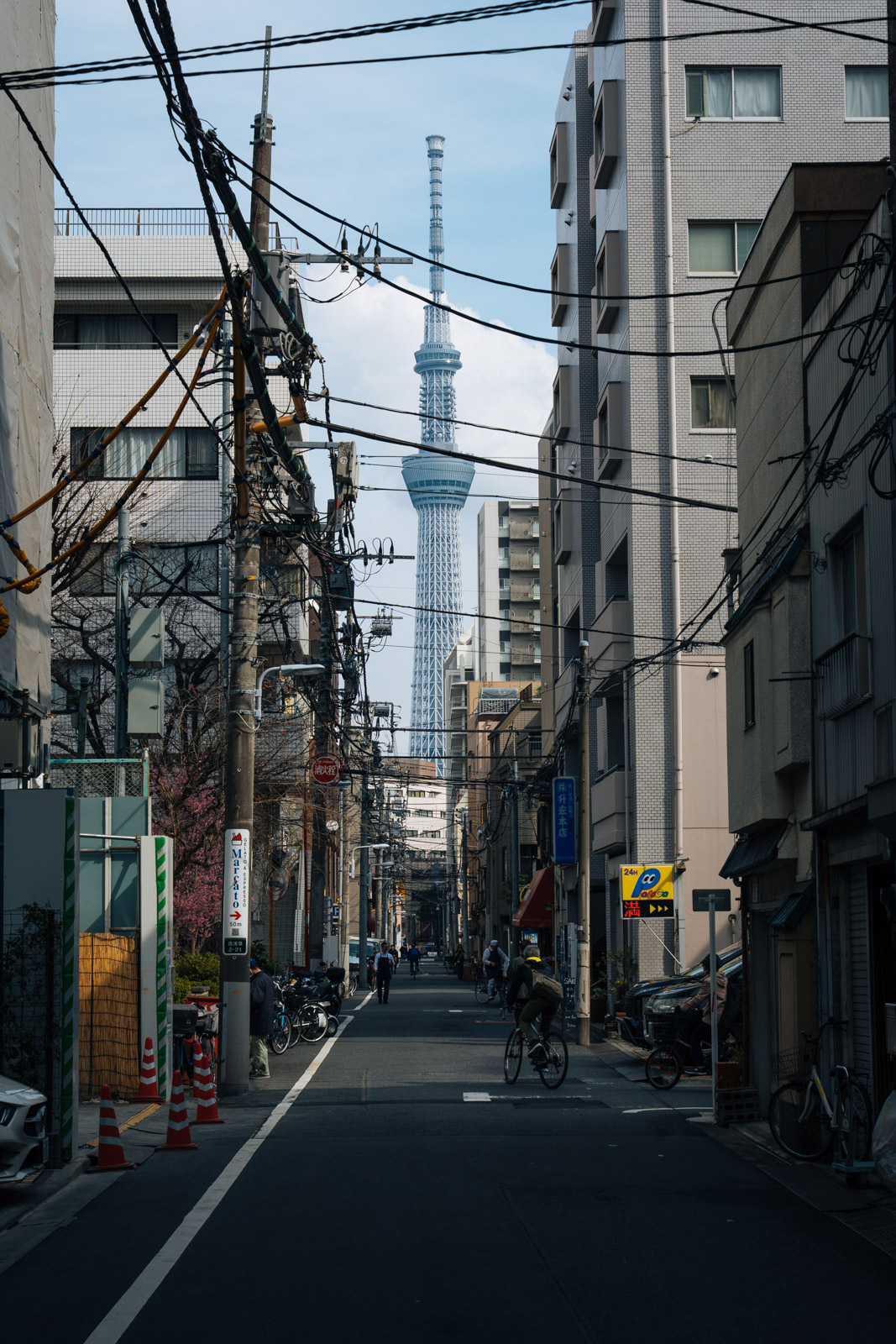
Streets around Tokyo Skytree
The area around Tokyo Skytree is not just about the tower itself, but also the surrounding residential streets and river areas. Once you move slightly away from the main tourist spots, it becomes much quieter and more local.
From a photography perspective you get:
- Skytree as a constant vertical anchor in the frame
- small residential streets with soft natural light
- Sumida River viewpoints that work especially well at sunrise or blue hour
- Occasional open spaces where the tower suddenly appears between buildings
It works best when you combine walking along the river with small detours into side streets, instead of staying in one fixed viewpoint.
How to get there?
The Skytree has its own station (Oshiage Station), which give you easy access to the Jukken Bridge and Nishijikkembashi Bridge, from where you have great views of the Skytree nearby (wide angle lens recommended). However, this spot right in front of Kinshichō Station give you a great view of the Skytree from a residential neighborhood a bit further away (zoom lens recommended).
Nearby food and coffee:
Akihabara
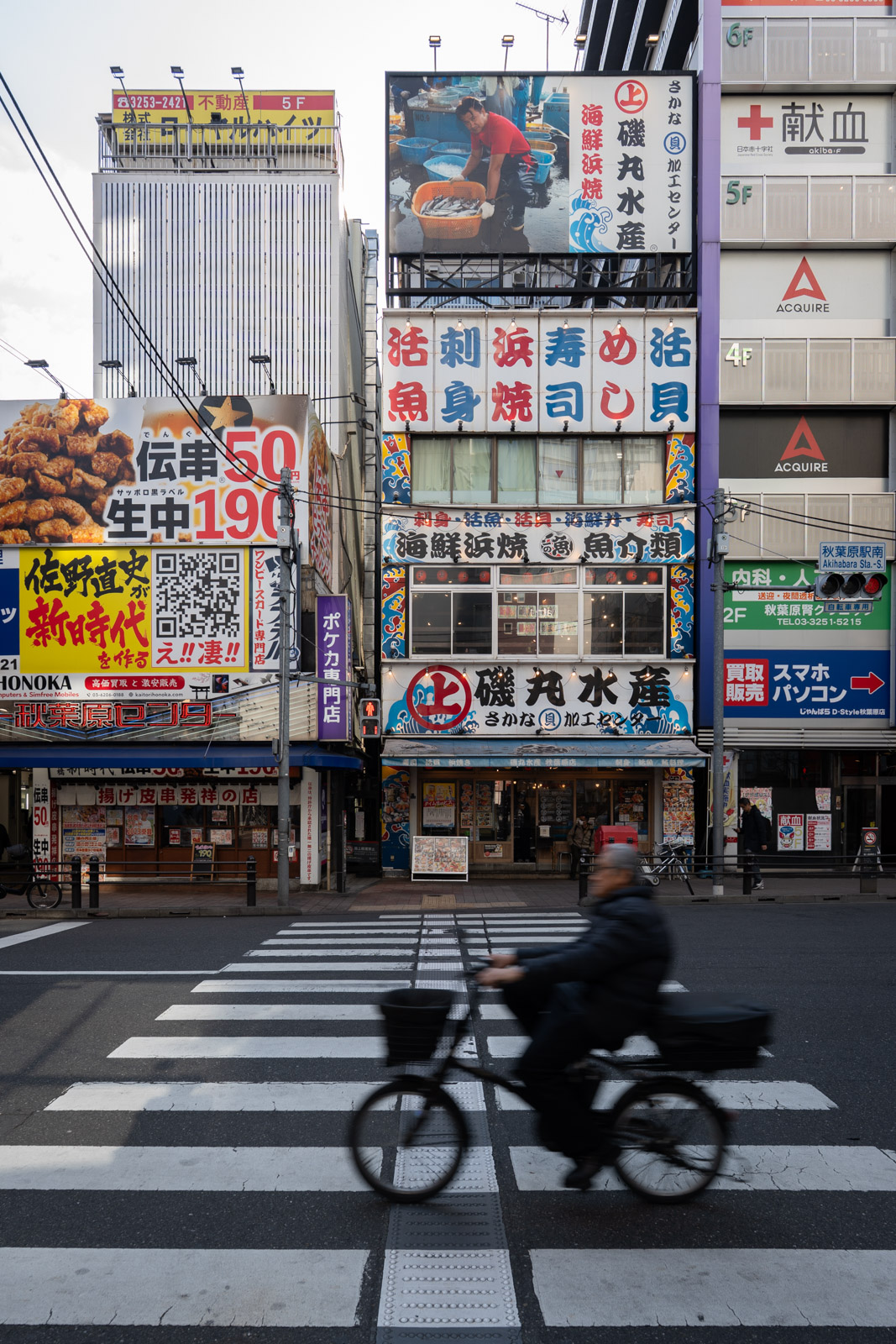
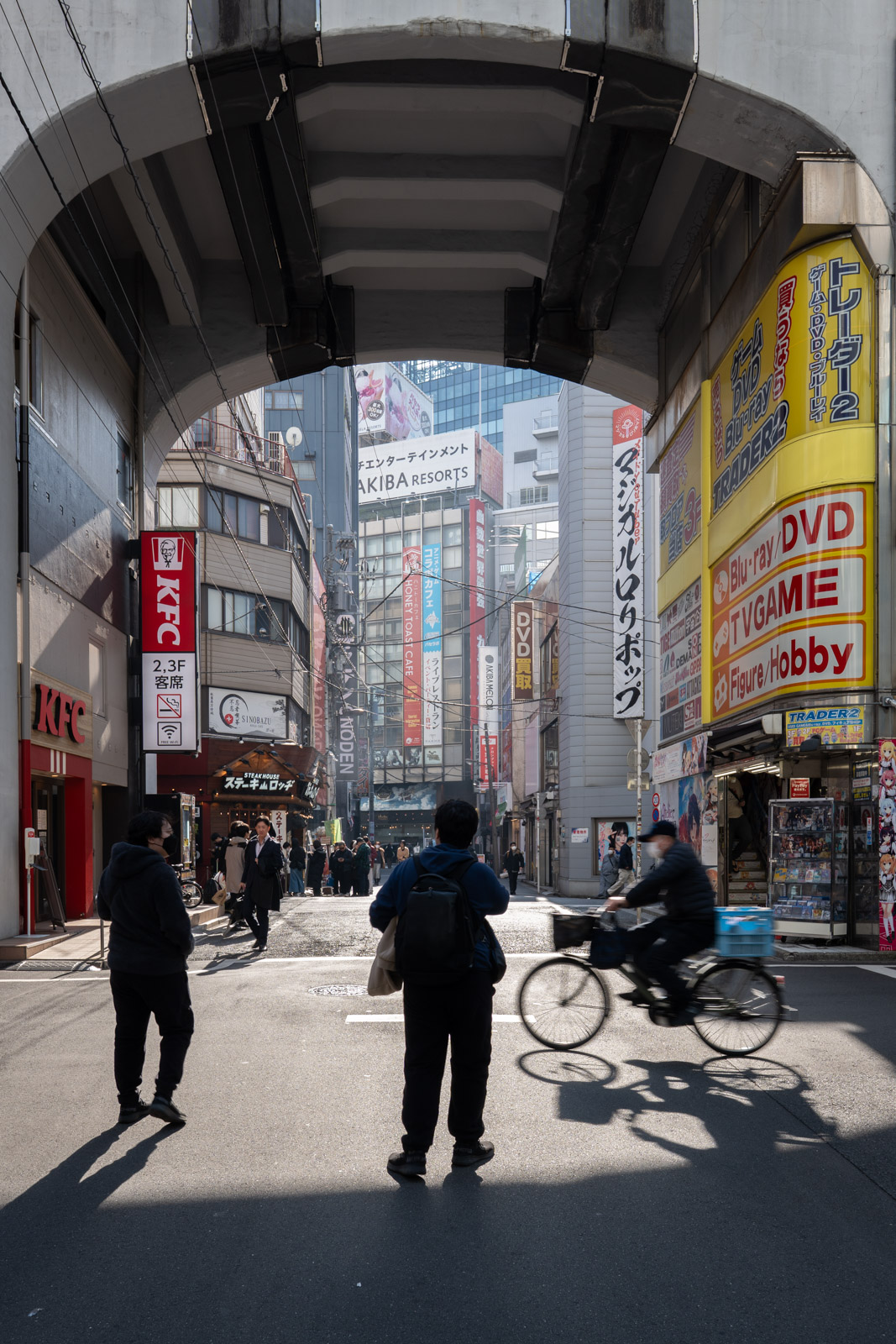
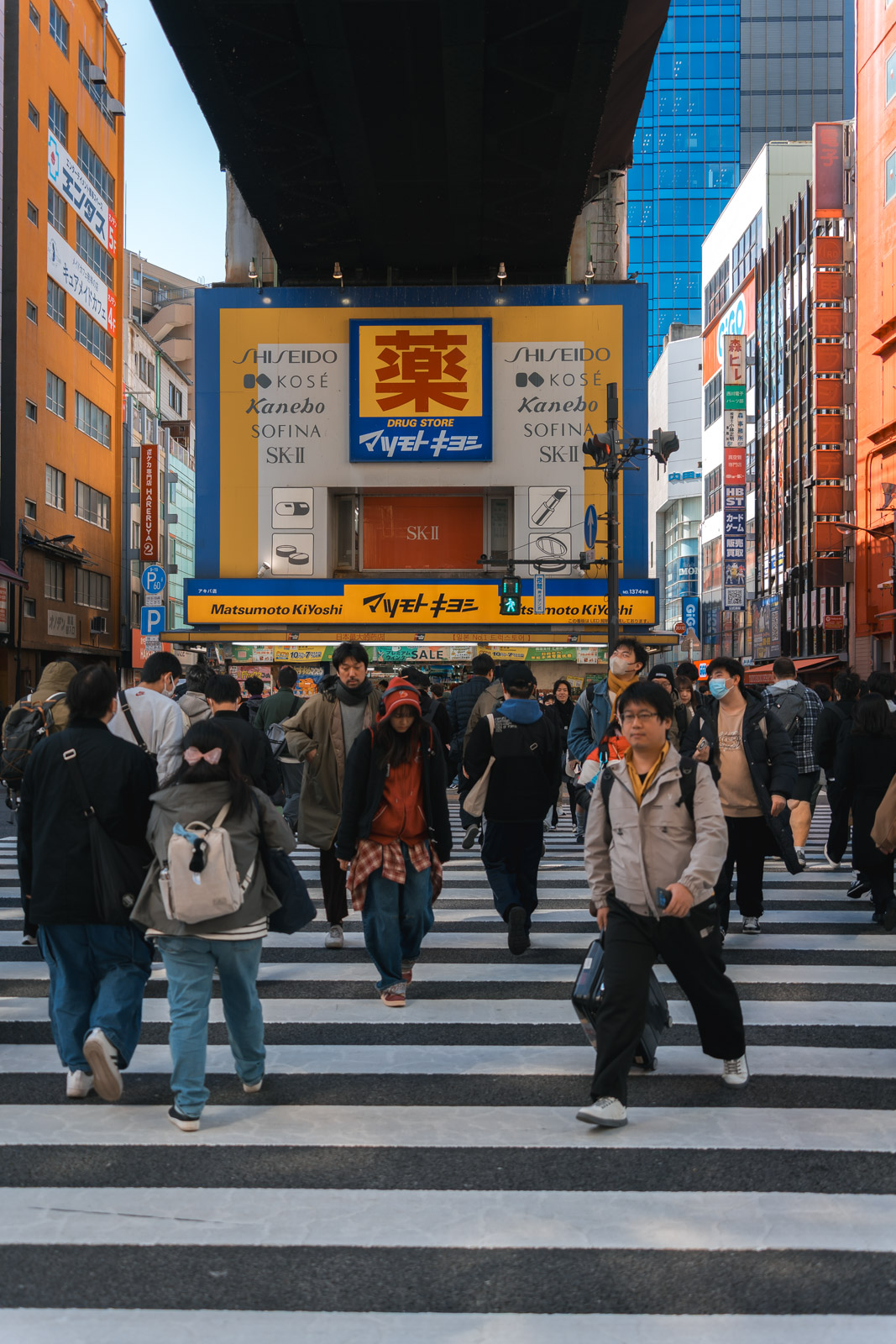
Akihabara is Tokyo’s main electronics district. Here you’ll find:
- electronics stores stacked vertically
- arcades with flashing interiors
- main crossing with pharmacy backdrop
- side alleys packed with small tech shops, often spilling out onto the street with displays of SD cards, cables and random gear
It works both during the day and at night, but the atmosphere shifts completely once the lights turn on.
On Sundays (and some holidays), the main street (Chuo Dori) becomes pedestrian-only in the afternoon, usually from around 13:00 to 18:00 depending on the season. No cars, just people walking freely across the street. It’s one of the best times to shoot wider scenes without traffic, and to capture the scale of the area without constantly waiting for a gap.
How to get there?
Simply take the train (JR line) and get off at Akihabara Station. From there, you can explore the whole area by foot.
Nearby food:
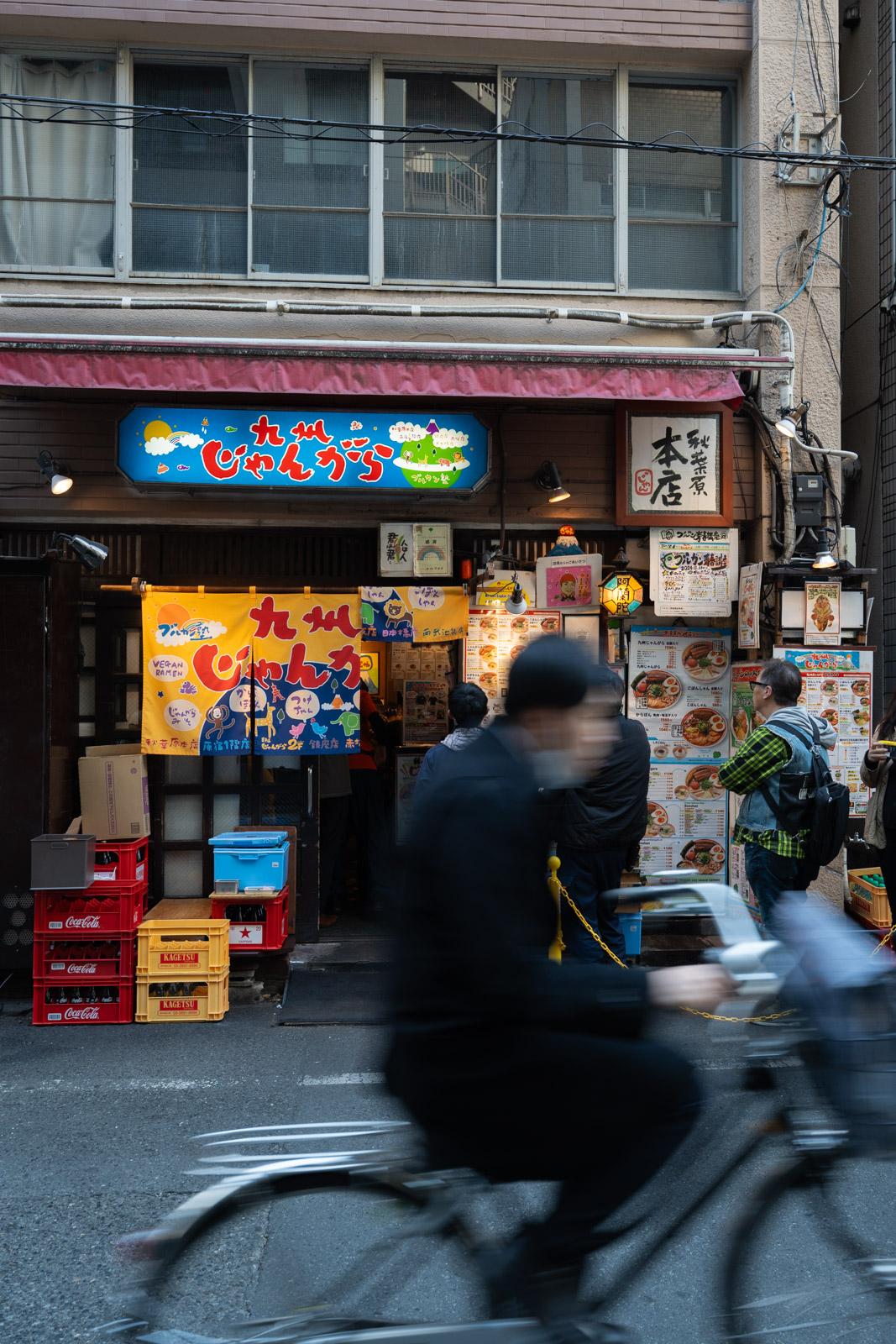
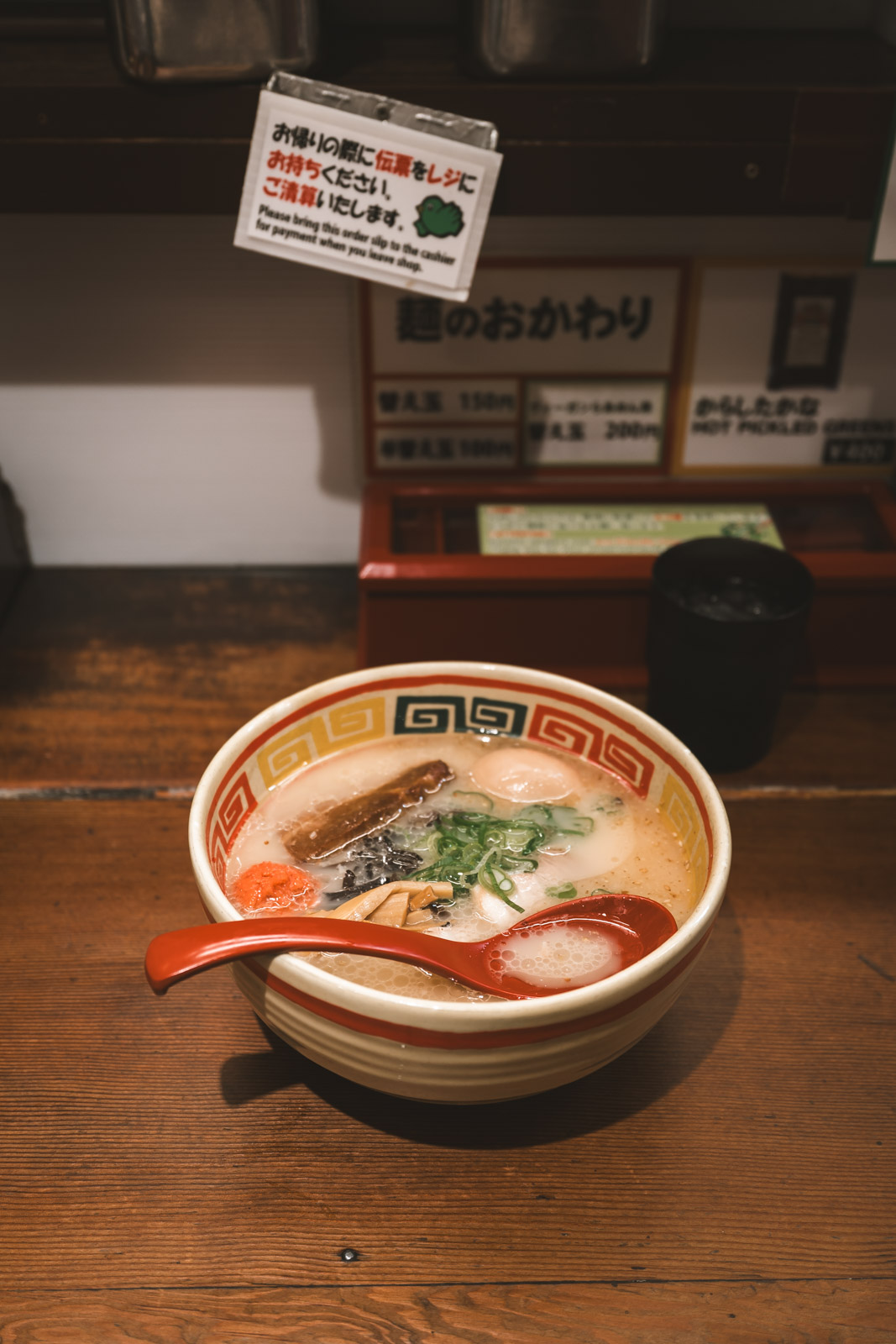
- Kyushu Jangara Akihabara (super tiny shop with delicious ramen!)
- Hinoya Curry Akihabara (famous for Japanese curry)
Ochanomizu Station (Hijiri Bridge)
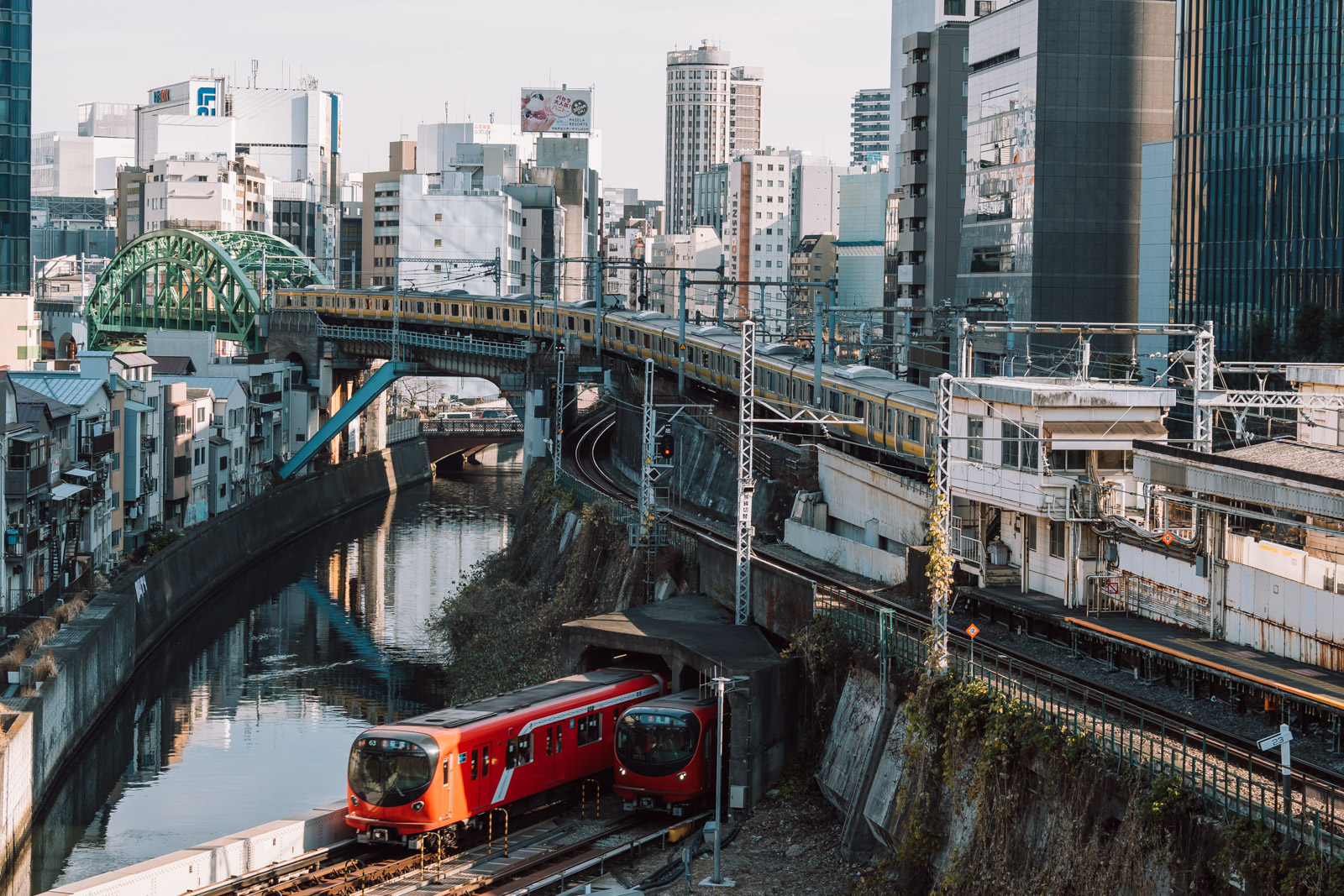
This spot is within walking distance from Akihabara, but the shooting style is completely different. Less chaos, more timing and composition.
It is a famous spot as seen in Suzume anime. Multiple train lines stacked at different heights. If you are lucky you will have trains crossing at 3 different levels.
It works because:
- trains cross at different levels
- framing changes every few seconds
This is one of those locations where timing and patience matters more than anything else. I recommend going here around rush hour to increase chances of multiple trains crossing at the same time.
How to get there?
Take the metro to Ochanomizu Station (stop M20) and walk towards Hijiri Bridge.
Nearby food and coffee:
- Pamoja – Great freshly made onigiris and healthy lunch sets)
- Kanda Matsuya – Delicious Soba Noodles
- Otonari Coffee – Don’t get fooled by the reviews.
Central Tokyo — Ginza, Shimbashi & Tokyo Tower
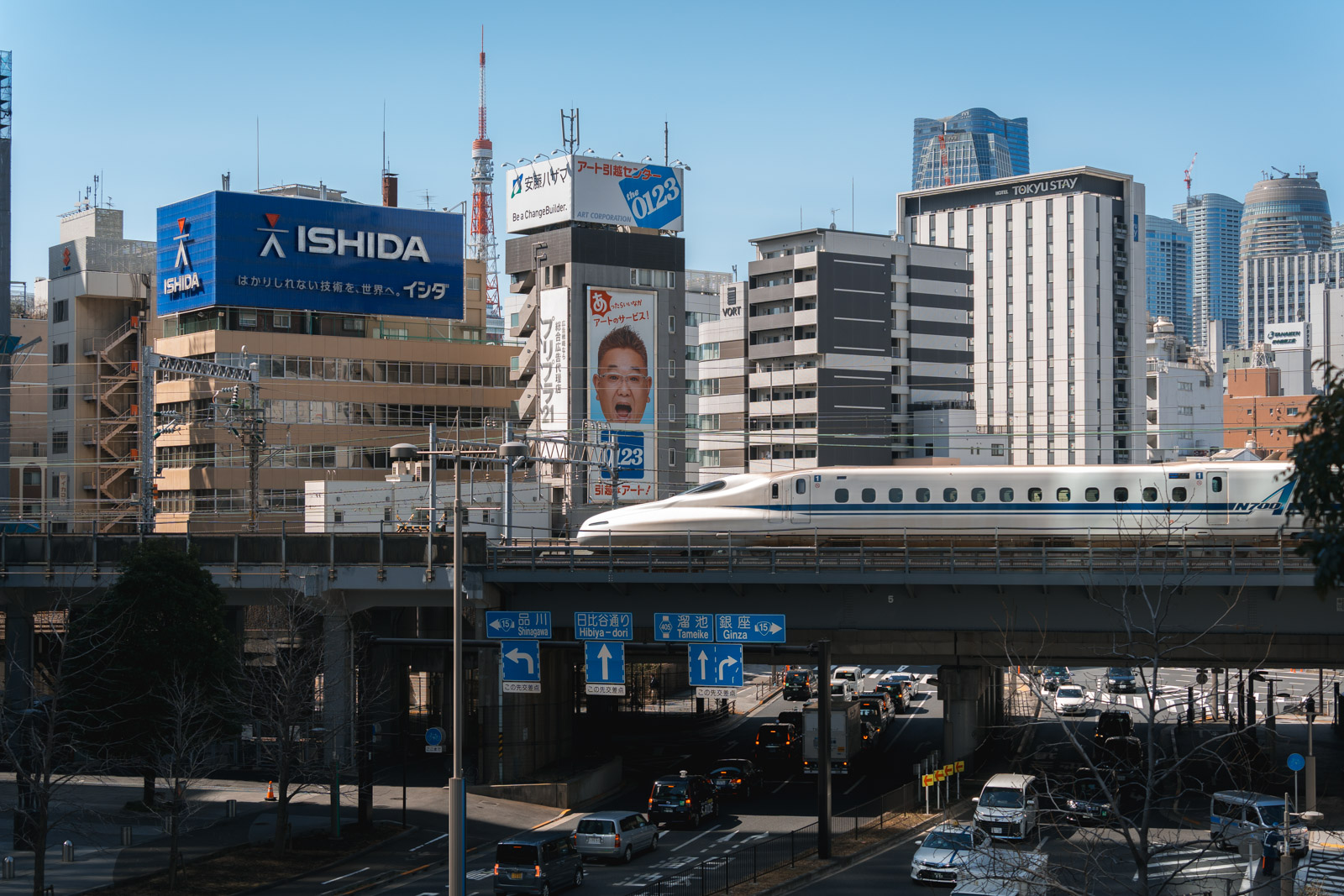
Hamamatsuchō to Shimbashi train corridor
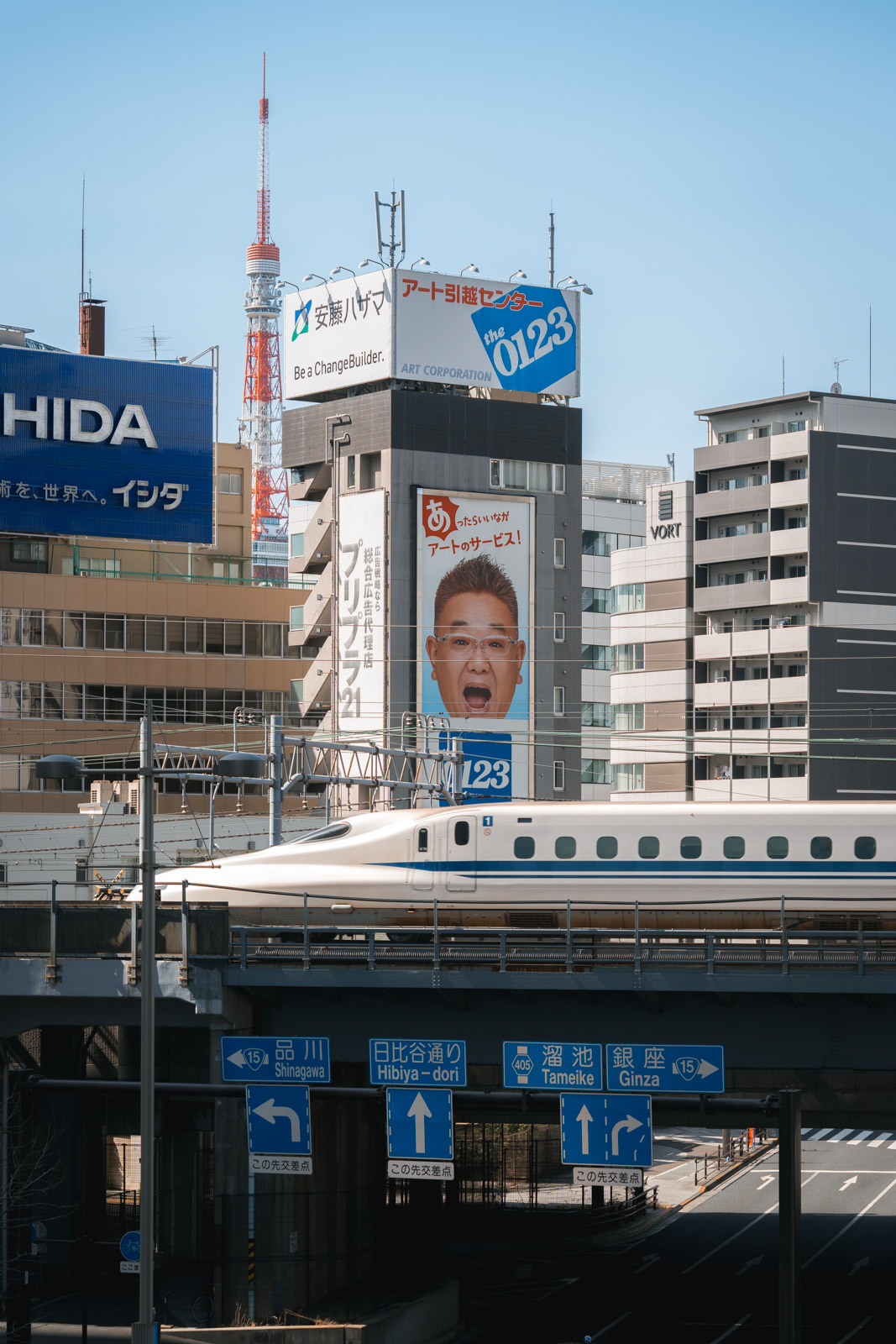
One of the most reliable areas for train photography.
Here you get:
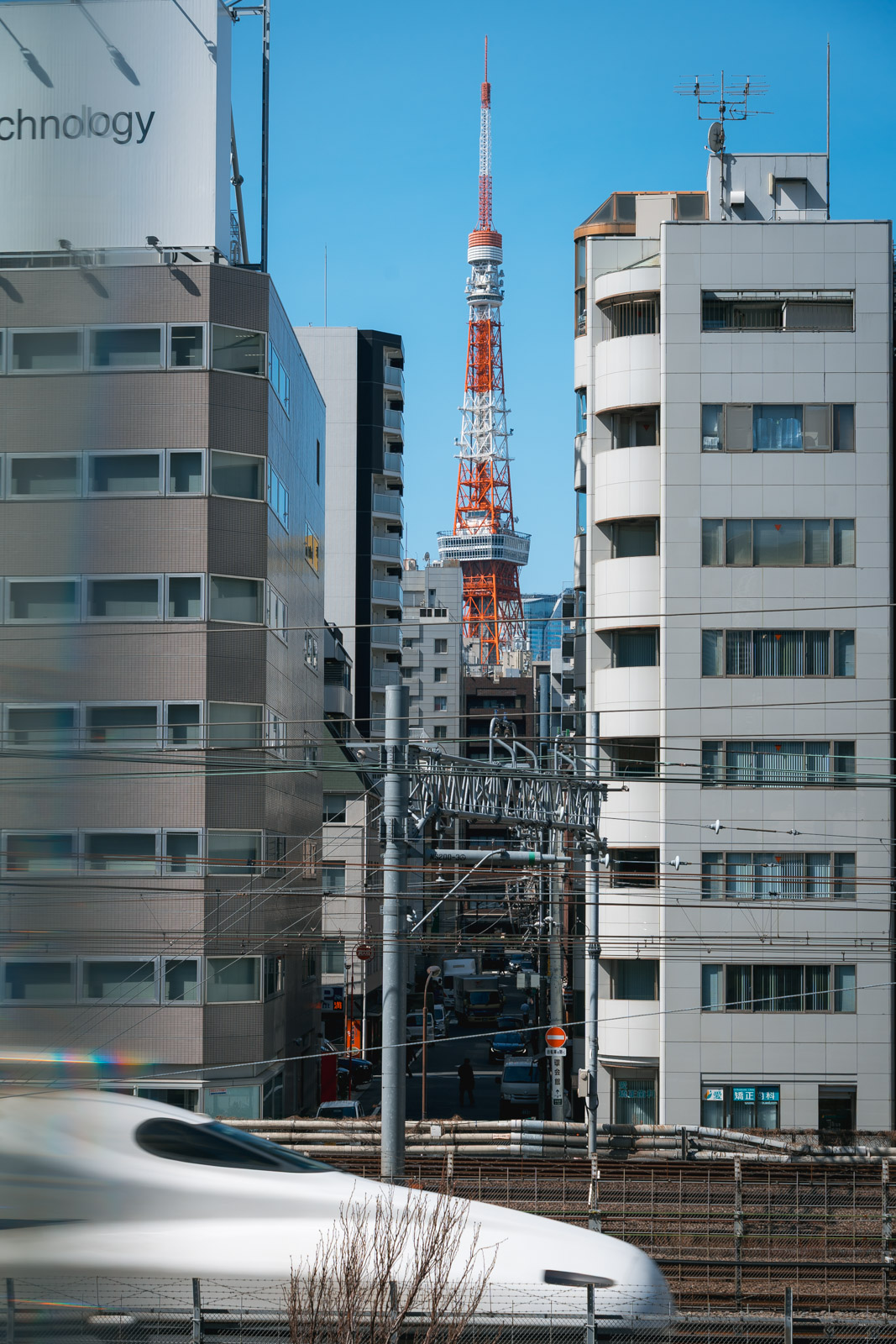
- Shinkansen passing through the city every few minutes
- Tokyo Tower in the background
- elevated walkways with constant motion below
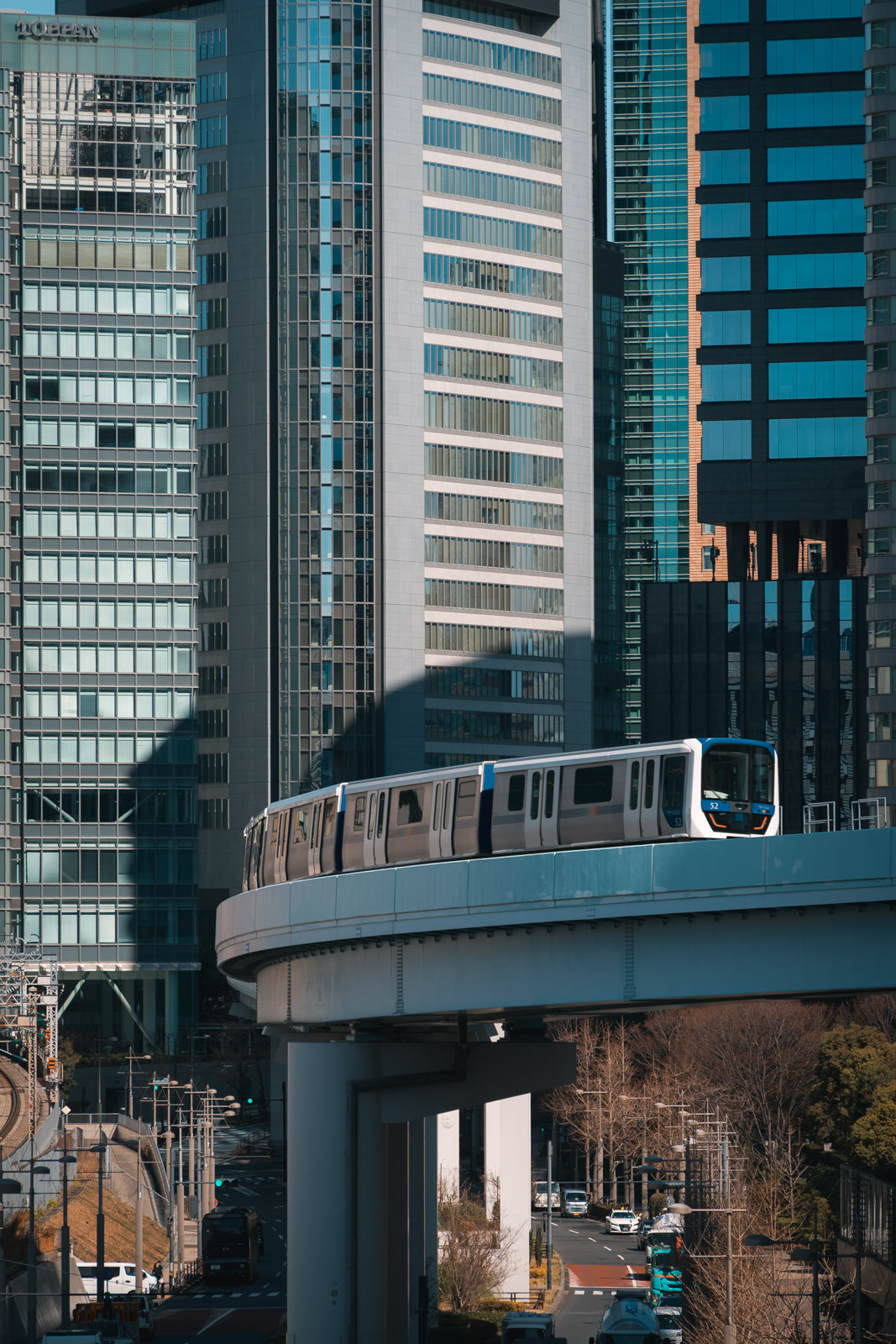
Along the elevated walkway between those stations you will find both train, bullet train and metro tracks.
How to get there?
I recommend getting off at Hamamatsuchō station and from there take the elevated walkway to walk to Shinbashi station. The exact location of the overpass from where you will see the trains with the Tokyo Tower in the background is called Hamamatsucho Station Takeshiba Pier Pedestrian Deck on Google Maps.
Once you’re on the walkway, there isn’t really one fixed spot. You just walk, stop, shoot, and keep moving. At some point you’ll notice smaller side streets opening up with Tokyo Tower in the background, and sometimes even another metro line running above the already elevated walkway!
Nearby food:
- Tsujita Ginza (tsukemen, strong first-day energy stop). More details about these ramen in Day 1 of our separate A Week in Tokyo & Mount Fuji: Photography, Food & Travel Itinerary Through Japan.
Tokyo Tower photography
Tokyo Tower deserves its own dedicated guide, which I’ve written separately, including a separate map.
However, if I could choose one favourite spot I’d go for the Yebisu Sky Lounge.
Full guide: Best Tokyo Tower Photography Spots
Ginza
At the opposite end, Ginza feels much more structured. Wide streets, clean lines, modern storefronts. Less “random”, but still interesting to walk through, especially in the late afternoon or evening.
How to get there:
Walk from Tokyo Station or get off the metro at Ginza Station (or one of the many stations in the area).
Nearby food:
- Grill Bon (simple counter-style spot for delicious sandos and beer)
- Tsujita Ginza (tsukemen style ramen, where noodles and broth are served separately)
West Tokyo — Shinjuku, Shibuya & Nakano
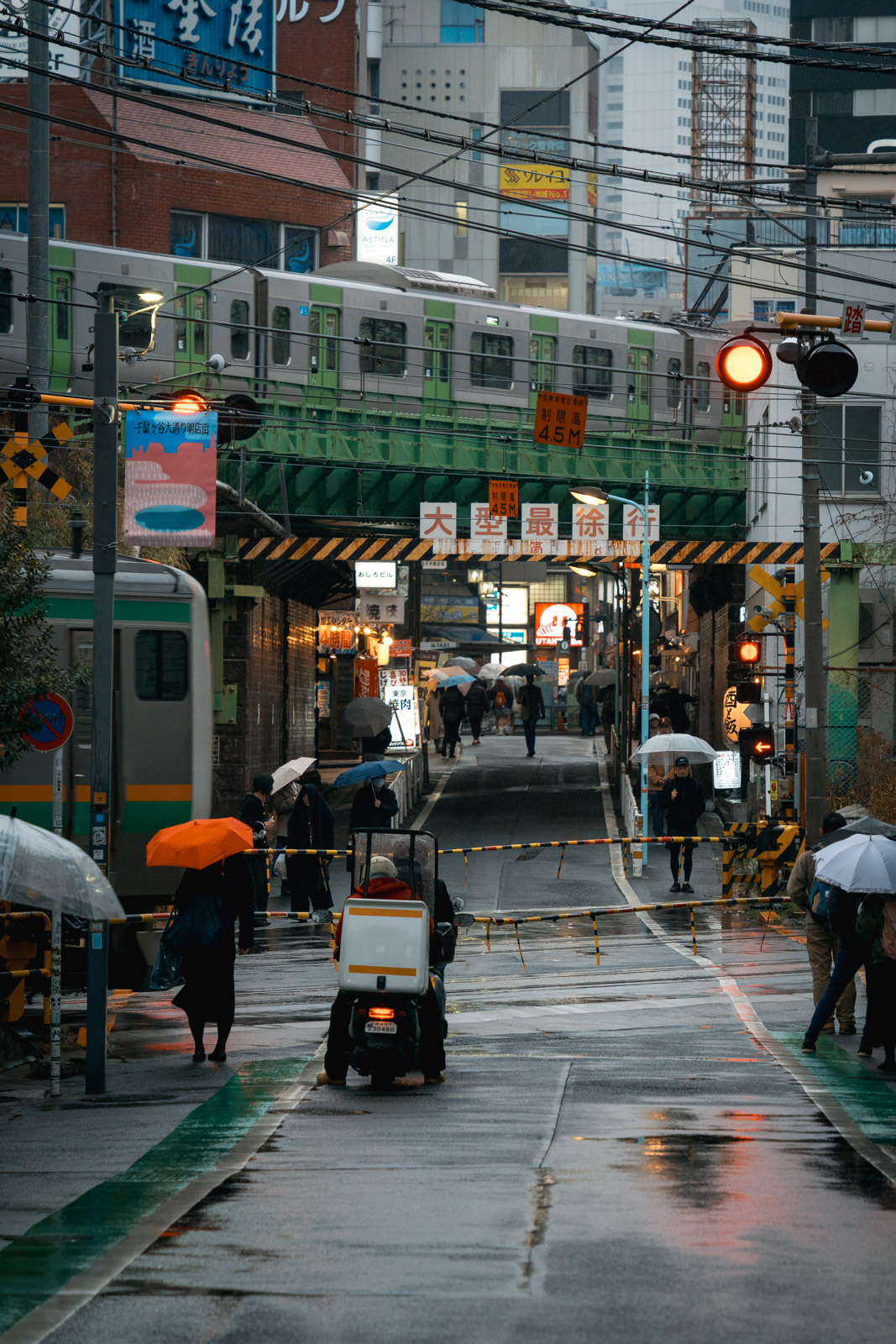
Yoyogi multi-level train crossing
Two train lines crossing above each other. One at street level, and one above.
The challenge here is timing: you’re waiting for alignment between two separate systems of movement.
Rain or overcast weather can actually help with the moody atmosphere here.
How to get there?
Take the west exit from Yoyogi station and walk towards this 7-ELEVEN.
Nearby food:
- Udon Shimbori (believe it or not but their carbonara Udon is amazing)
Shinjuku Backstreets & Neon
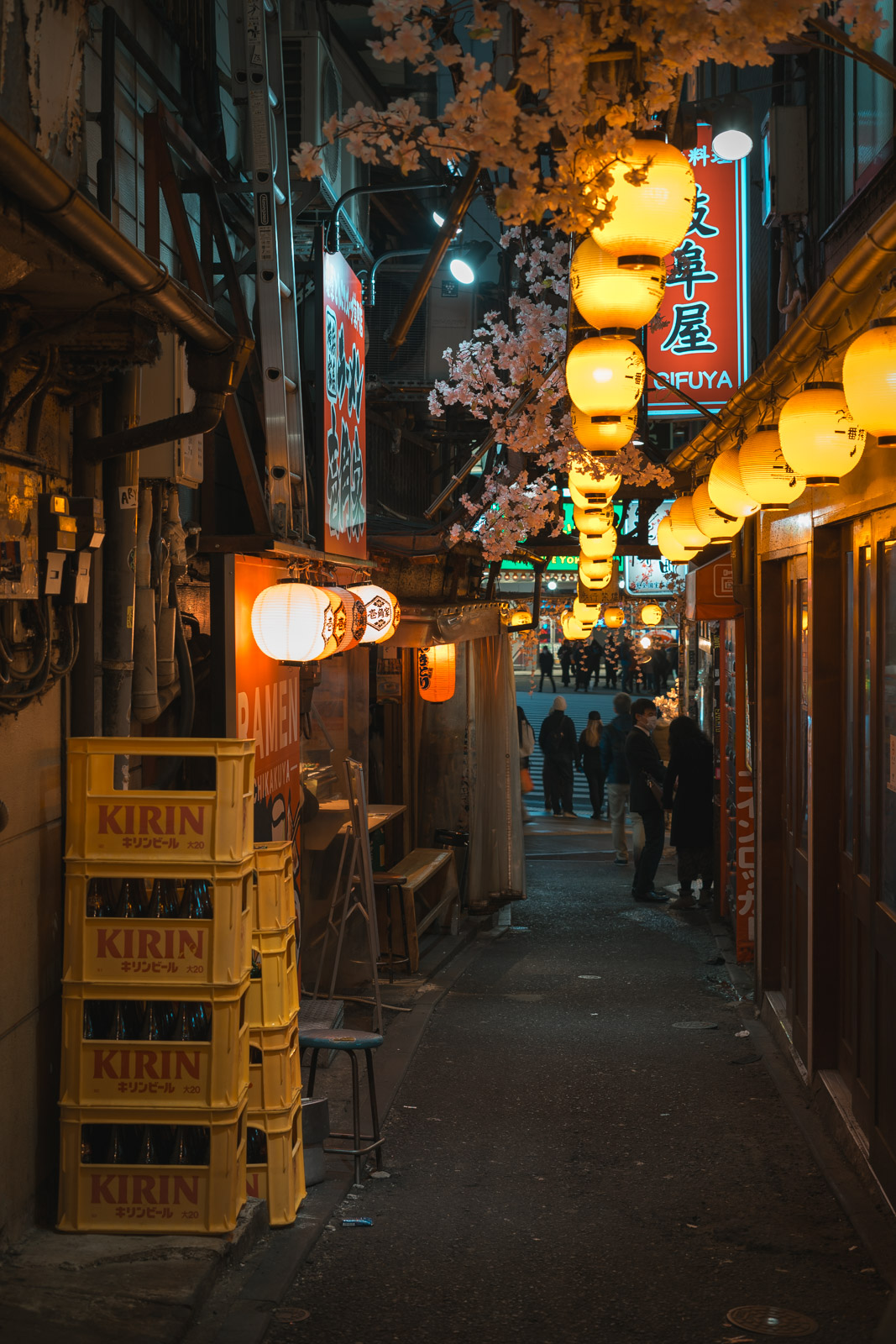
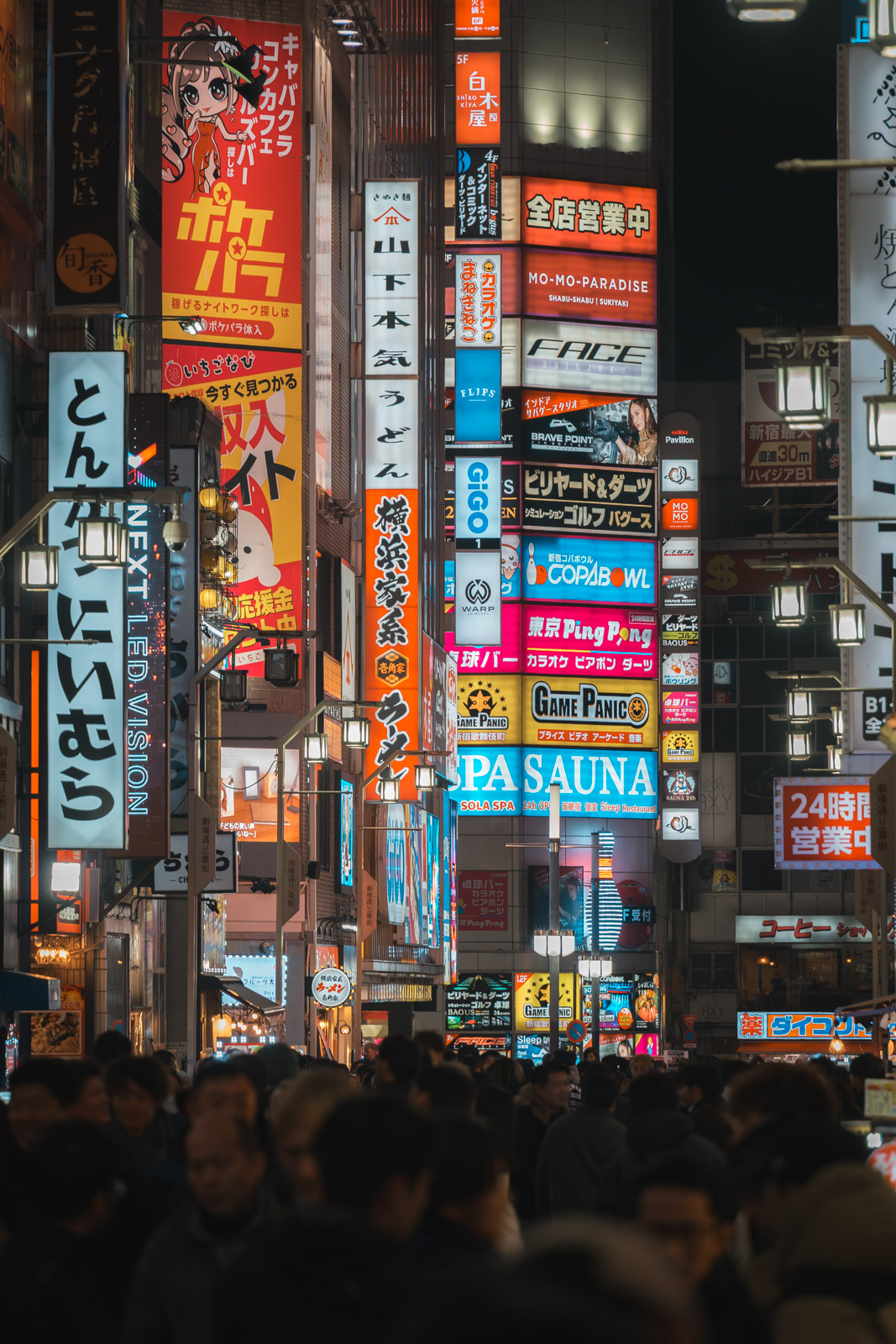
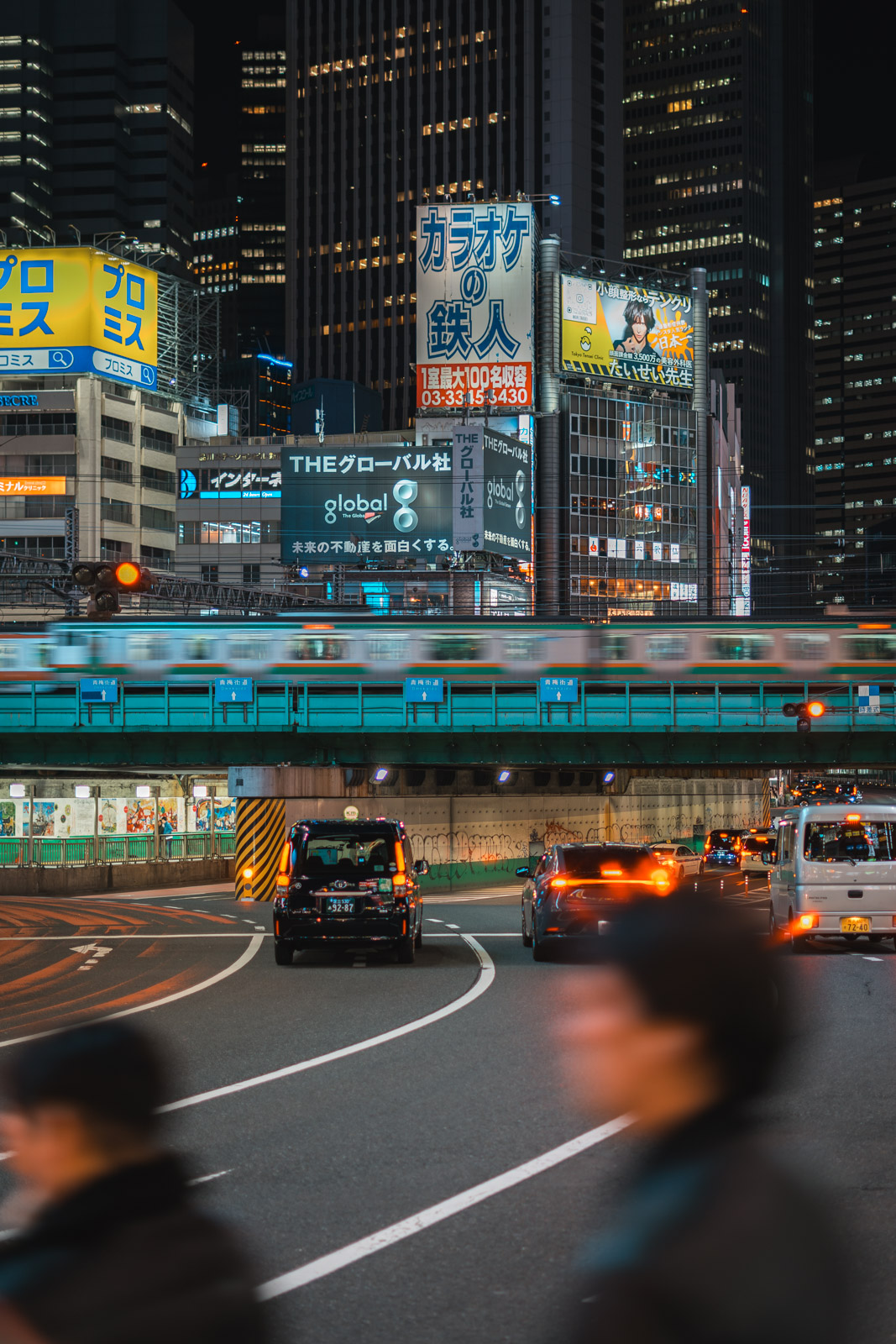
This is not a single spot, but a network:
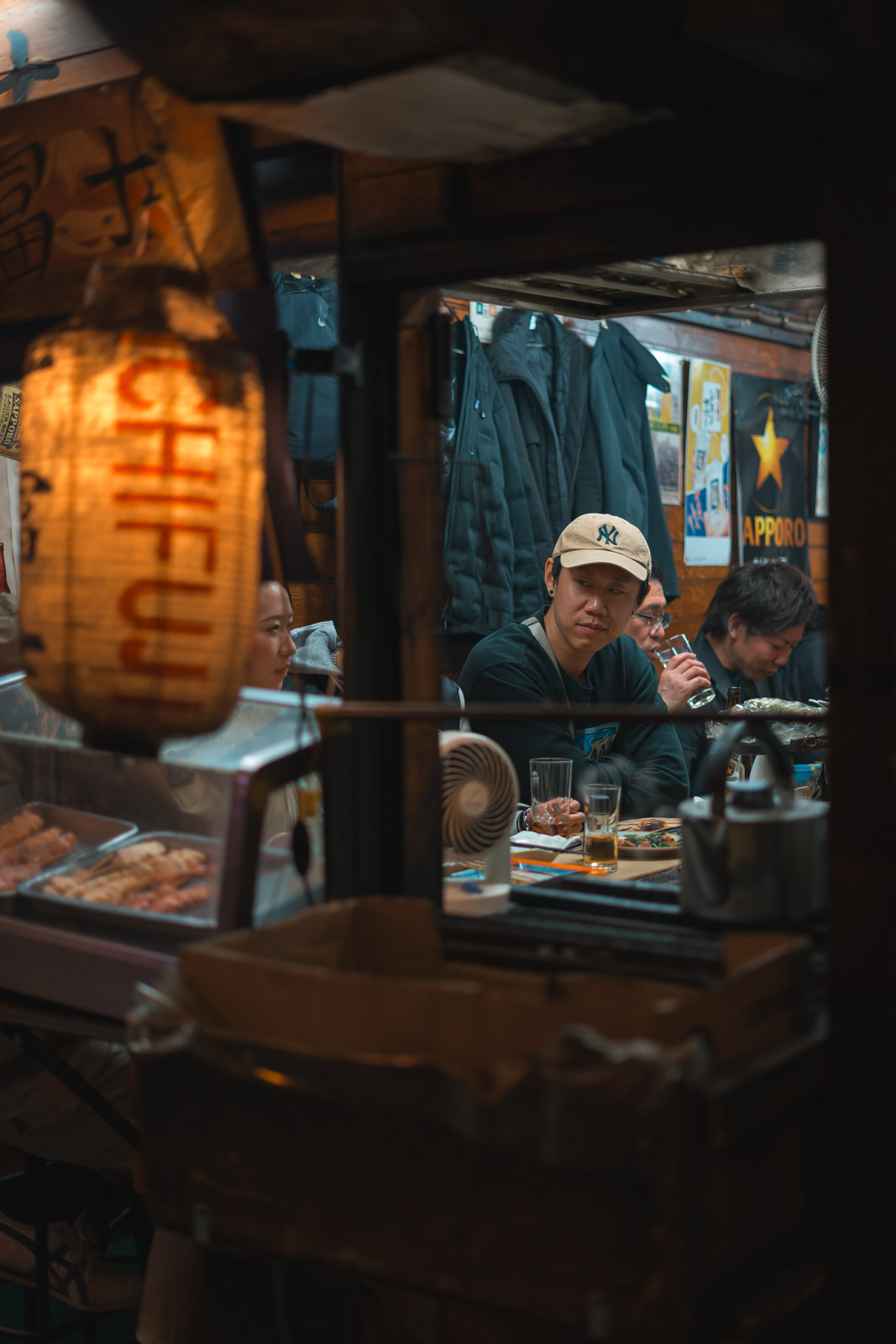
- Omoide Yokocho (a historic, narrow alleyway sometimes called “Piss Alley))
- random narrow alleyways
- overpasses with traffic below
- neon-lit facades
You don’t really need to plan where to go exactly here, instead I recommend to just walk around in the evening with your camera ready.
How to get there?
Take the train or metro to Shinjuku Station and explore the area around. Shinjuku can be easily combined with the Yoyogi multi-level train crossing, which is walkable from here. I recommend going to Yoyogi for blue hour, and go to Shinjuku afterwards when it’s nighttime.
Shibuya Hikarie Sky Lobby
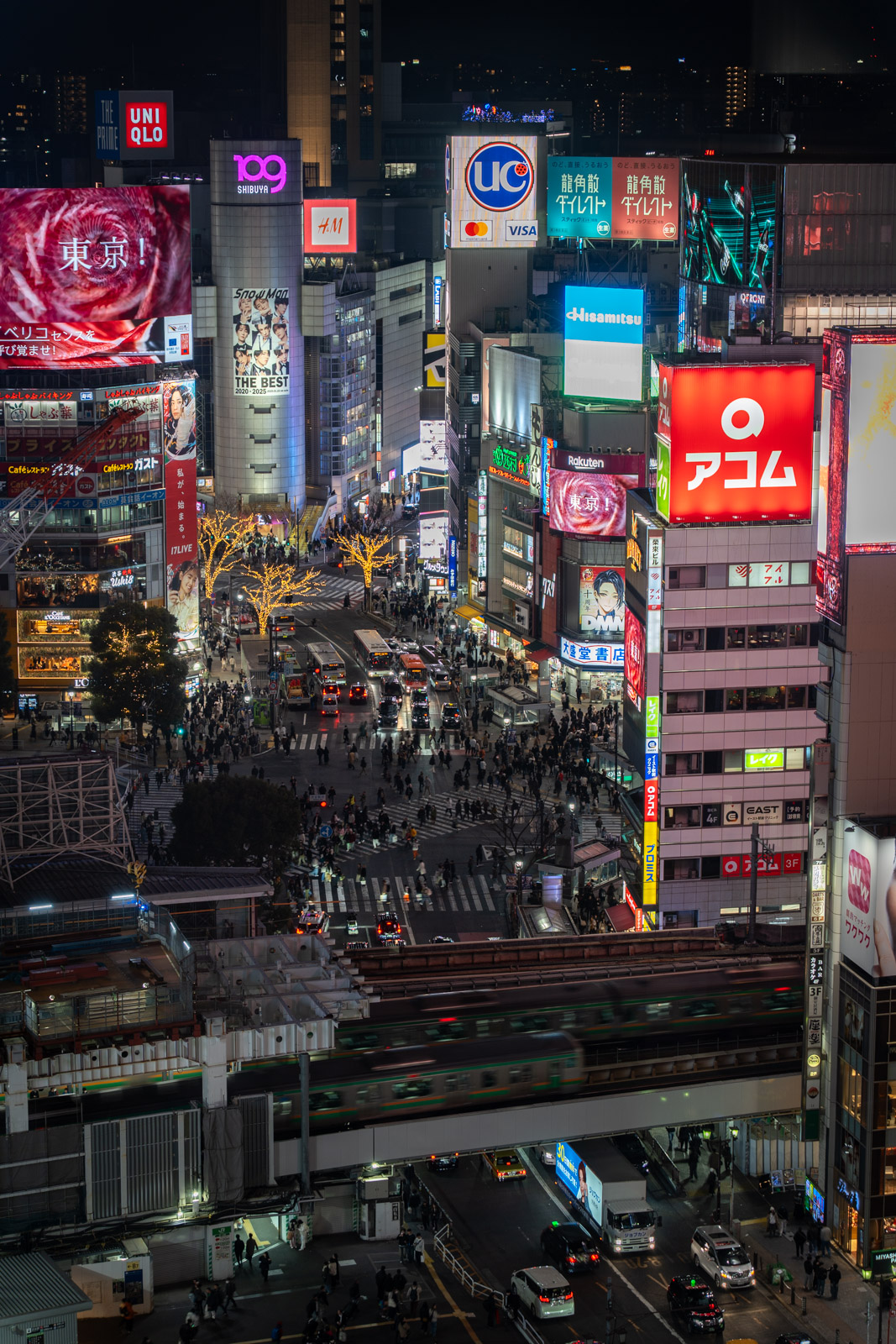
A free indoor observation deck overlooking Shibuya Crossing.
Important details:
- glass reflections can be an issue (take blackout cover if you have one)
- bring a cloth or wipe as the glass sometimes has a lot of fingerprints on it
- zoom lens works best to capture the famous Shibuya Crossing
- surprisingly quiet outside peak hours (I came in the evening and there was almost nobody)
How to get there?
From Shibuya Station, both an underground walkway as well as a pedestrian bridge on the second floor are direcly connecting the station to Shibuya Hikarie. Follow the signs for Exit 15 or Hikarie. Once you’re in the building, simply take the elevator to the 11th floor.
Nearby food & drinks:
- Kappore (Gourmet Izakaya in a quiet residential backstreet of Shibuya)
- Flamingo’s Cocktail Parlor (Small but great cocktail bar close to Kappore)
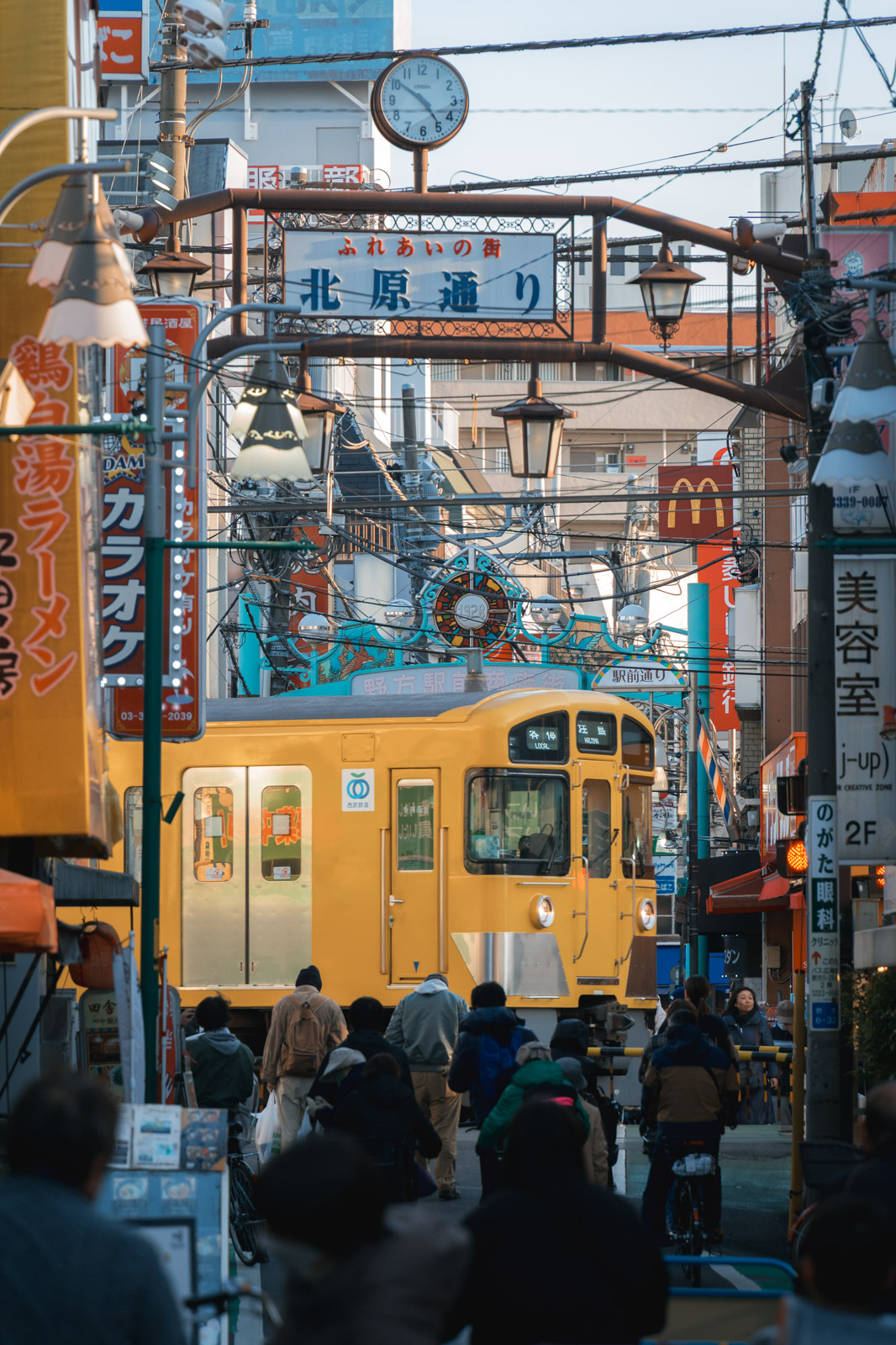
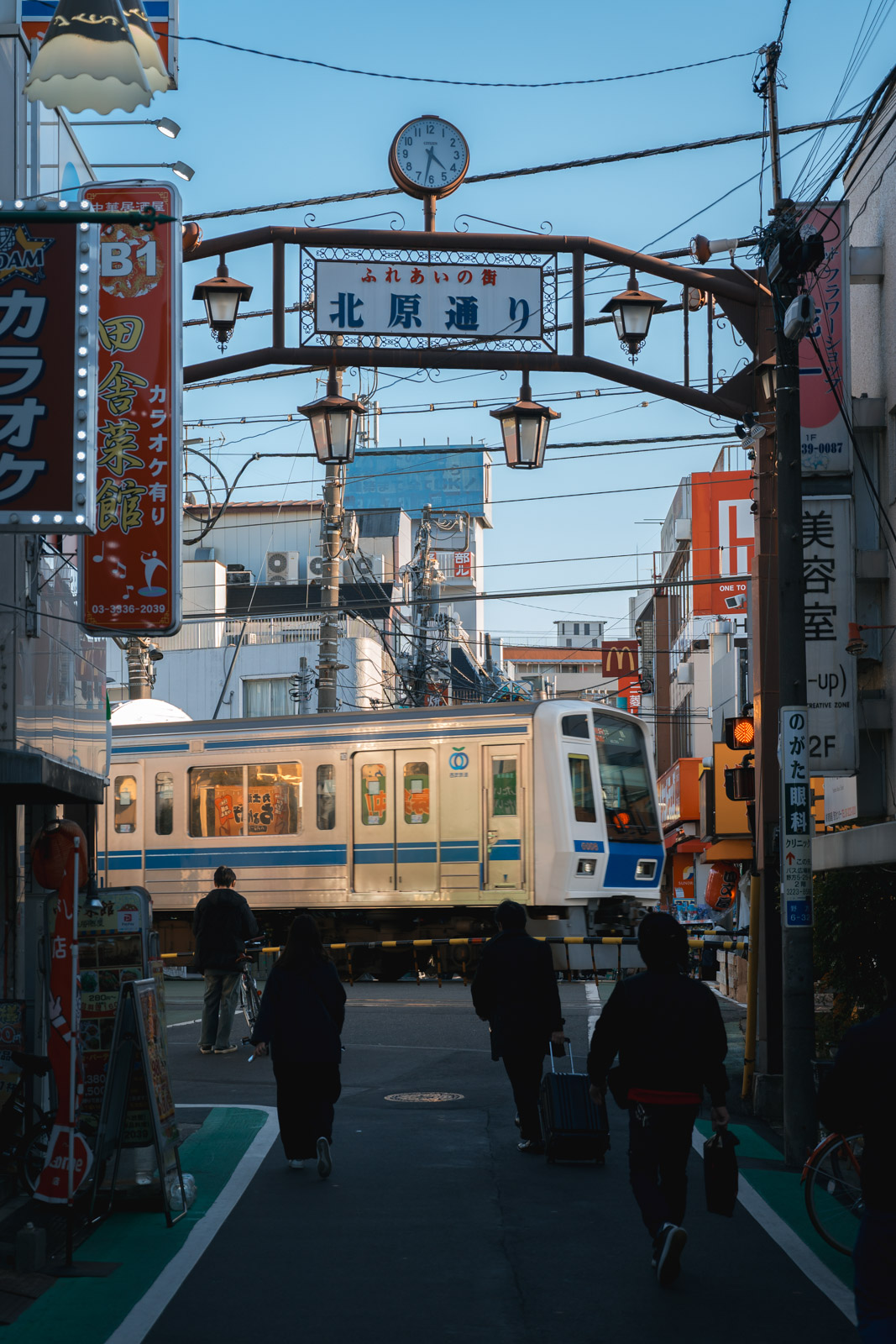
Nogata Station commercial street crossing
A typical busy Japanese commercial street with a railroad crossing right in the middle, temporarily pausing the flow of daily life every time a train passes through.
A busy shopping street meets a train crossing:
- barrier closes every few minutes (check departure and arrival times of Nogata Station on Google Maps to know exactly when)
- crowds pause, then move again
- Every day Tokyo life in the background
It’s one of the most underrated everyday photography spots in the city.
How to get there
Take the Seibu Railway to Nogata Station (Stop SS07). The street is right next to the station. I personally like to walk slightly further away from the crossing and then capture the scene with a zoom lens.
Nearby food:
- Daily Bakes (simple stop with delicious donuts, good between shooting sessions)
Beyond the Main Areas
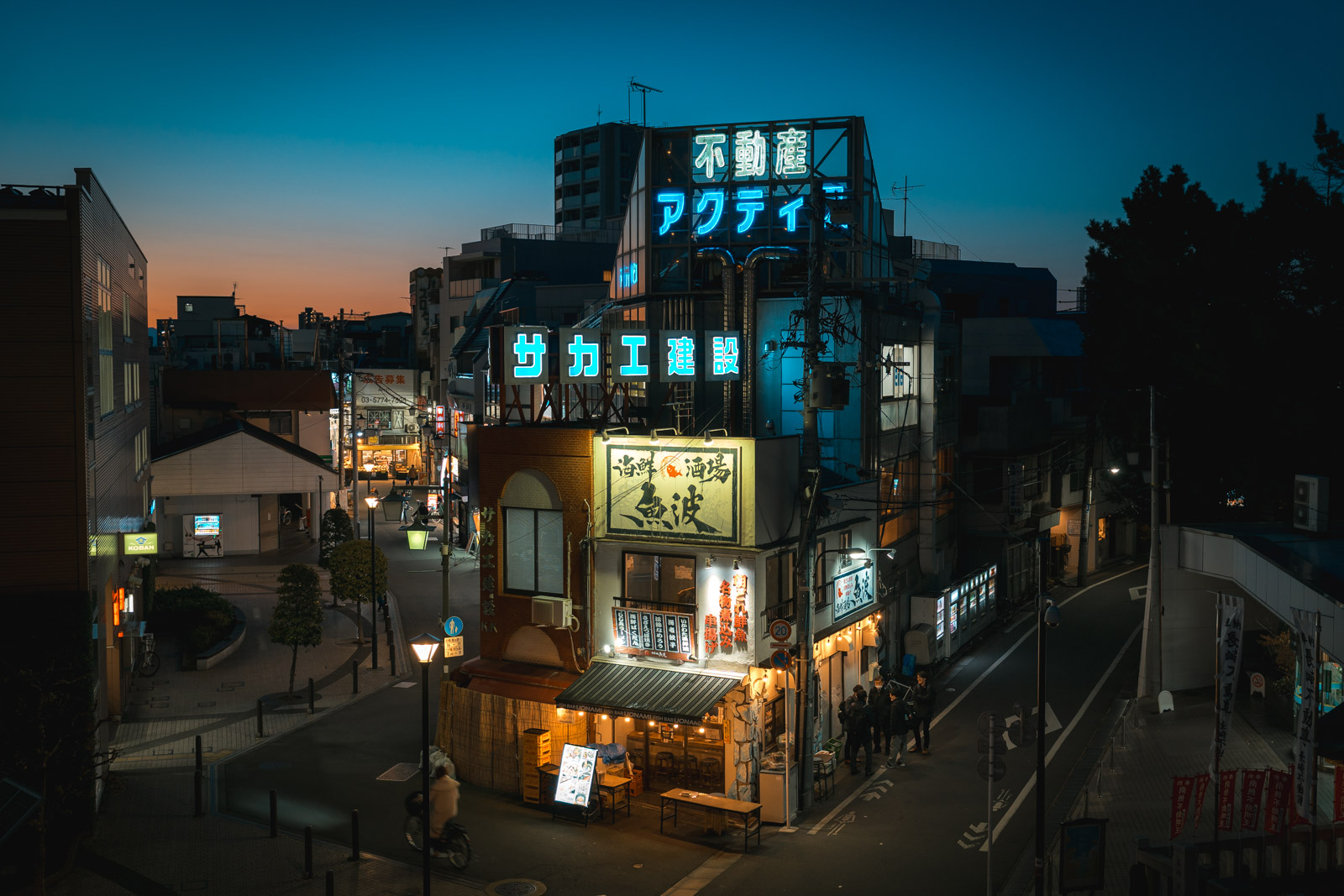
Uonami Fish Bar (Shiinamachi)
Uonami Fish Bar sits on a quiet residential intersection near Shiinamachi Station. It’s a small corner izakaya, positioned right on the bend of a local street where everyday Tokyo life continues without any attention to photography at all. Best time to go here is during blue hours. After rain would be a bonus (reflections on the asphalt work really well).
What makes it work for photography:
- corner building with strong leading lines from both streets
- soft neon + interior light once it gets dark
- very low foot traffic compared to central Tokyo spots
How to get there:
Take the Seibu line to Shiinamachi Station and walk onto the main elevated road next so the station.
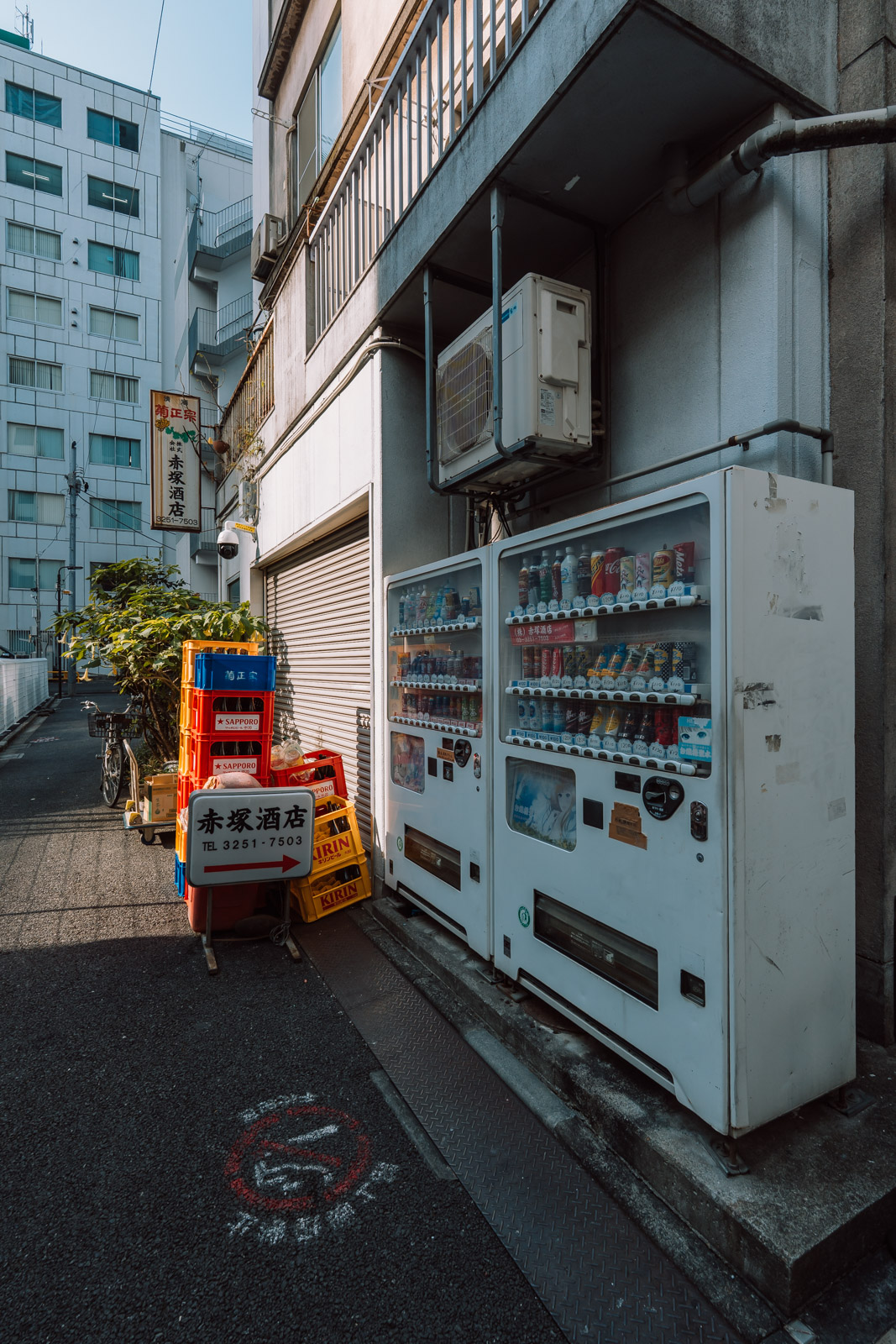
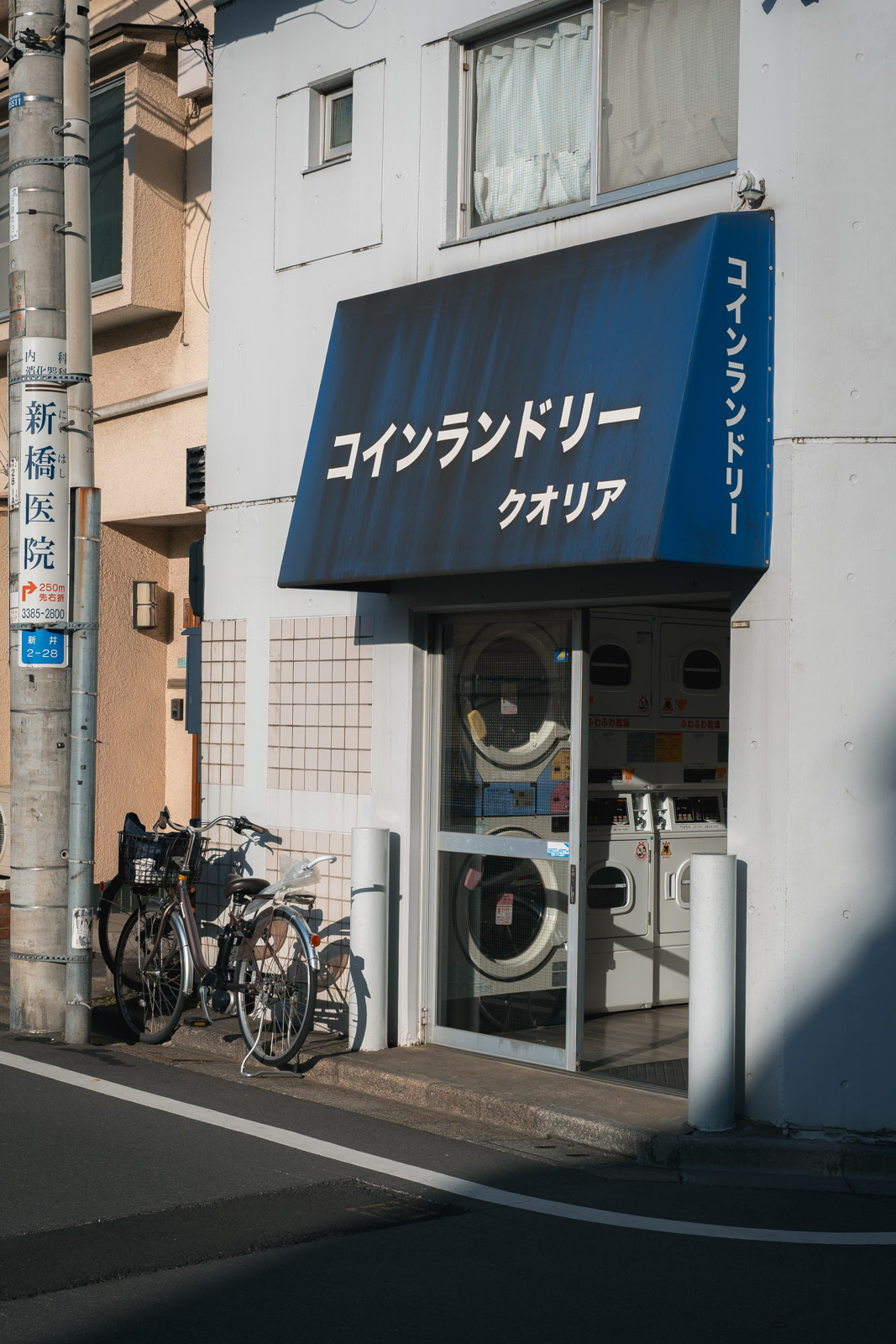
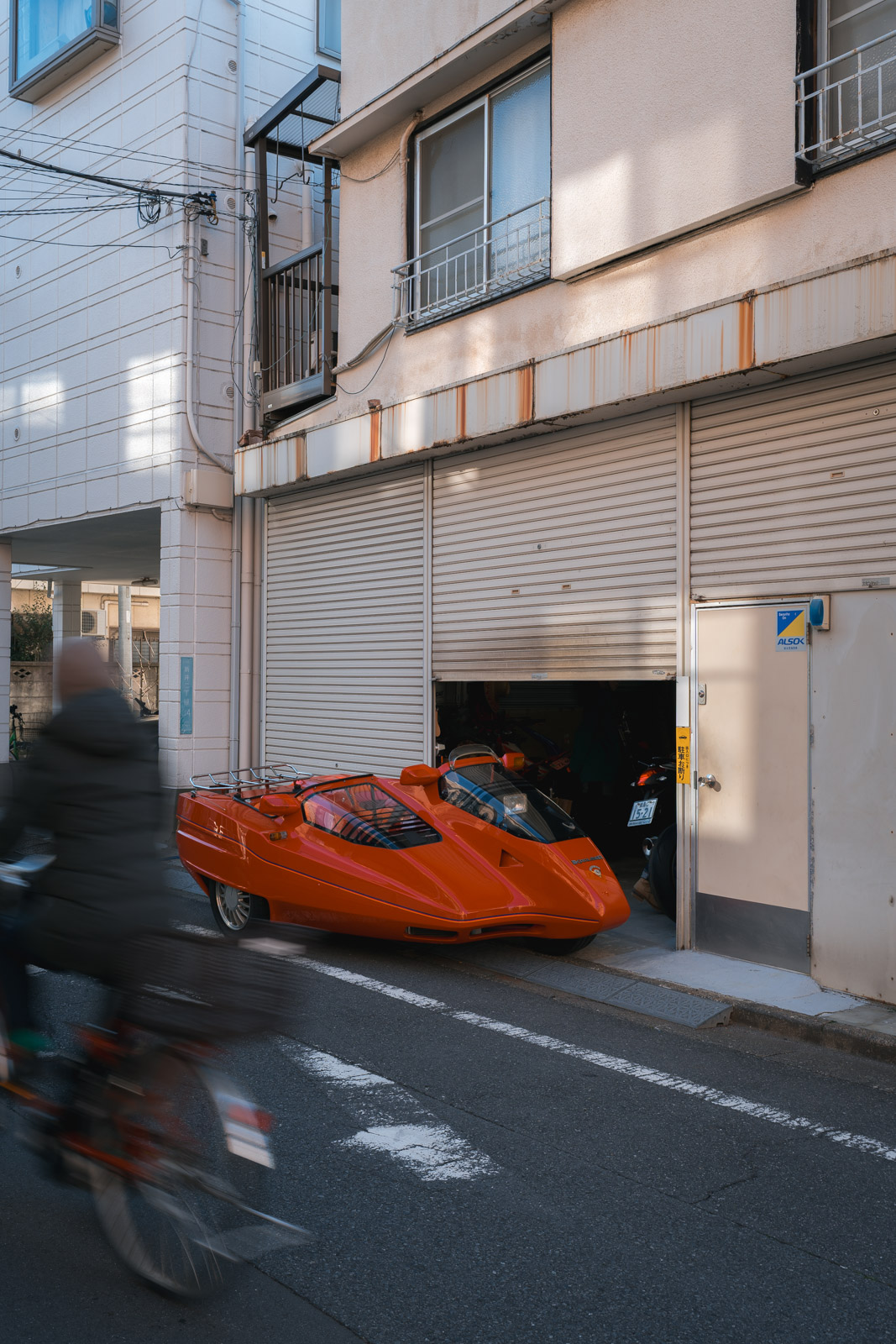
Residential Walks Between Stations
Some of our favorite parts of Tokyo are not fixed locations, but the transitions in between.
Residential walks between stations often produce:
- empty streets
- small local shops
- everyday life scenes
- unexpected light and quiet moments
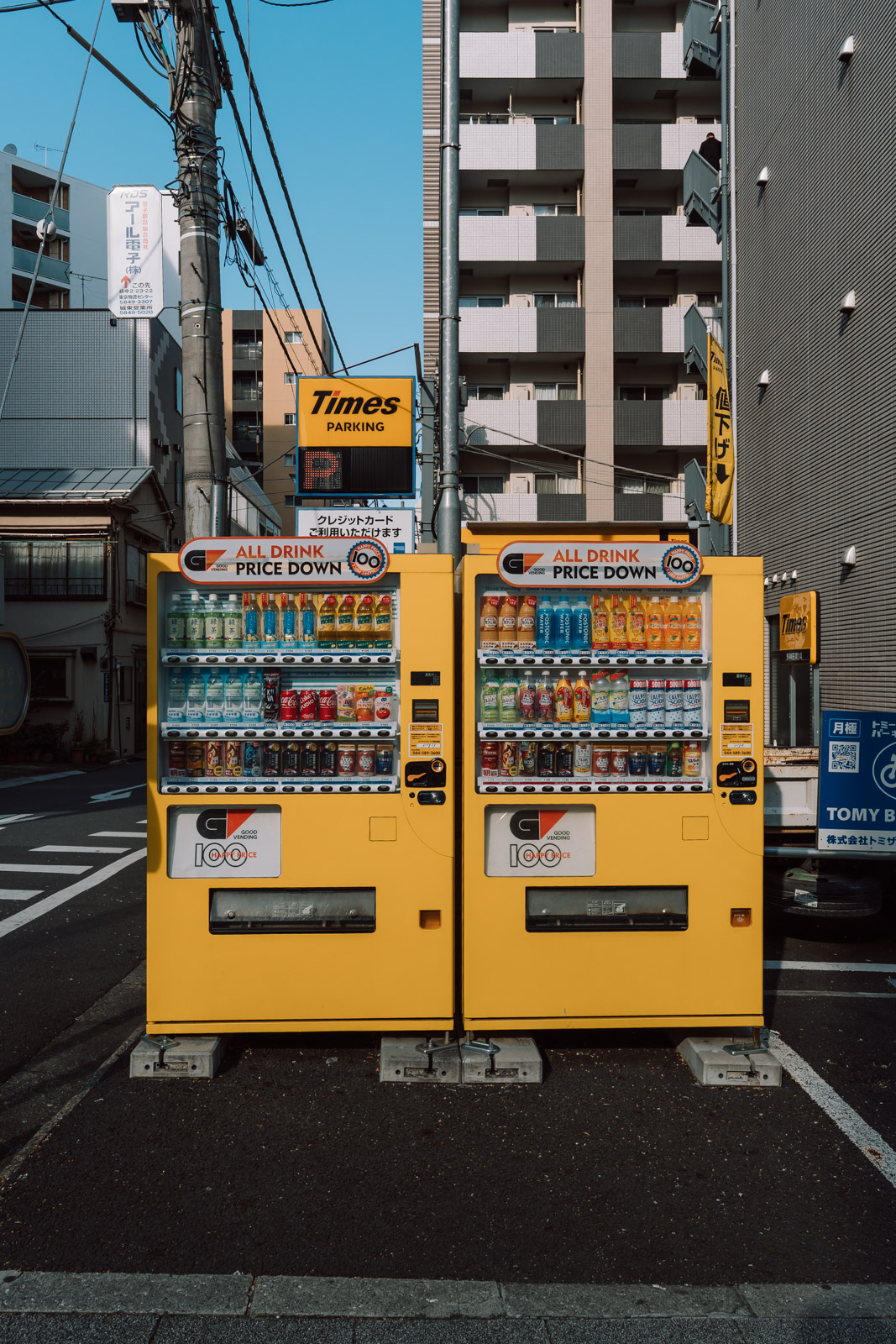
- vending machines on almost every corner, often randomly placed in alleys, outside houses, or next to empty plots
These aren’t planned photography spots. They happen when you move without a strict route.
One of the best walks we did was from Nakano Station to Nogata Station. About 30 minutes through residential streets, slowly shifting into a more local commercial area with a railway crossing running straight through the street.
Cherry blossom locations (seasonal)
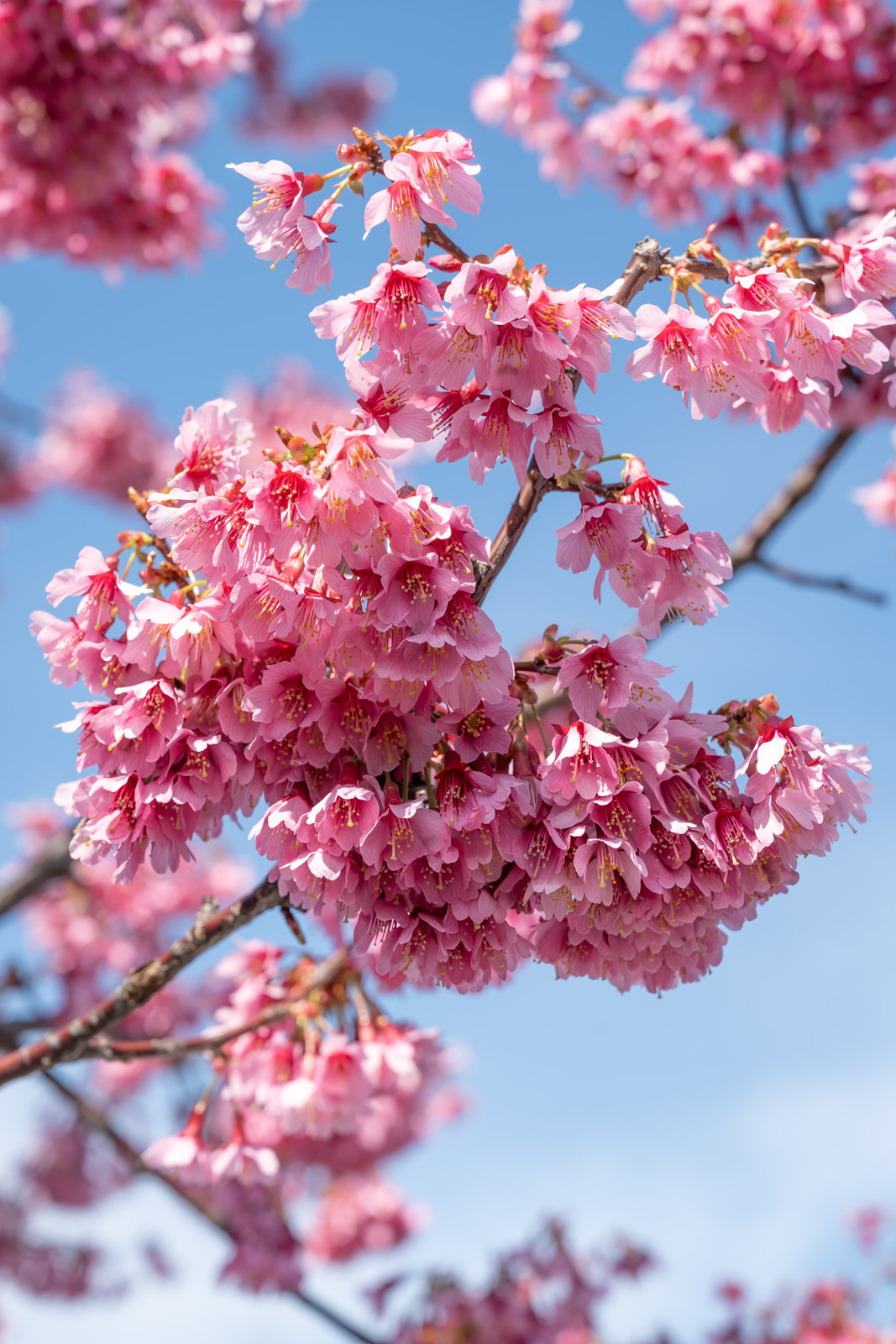
Cherry blossom in Tokyo Spring is unpredictable. Even when you think you are too early, some areas bloom earlier than expected.
Ueno Park
- dense blossom clusters
- mix of open and hidden pockets
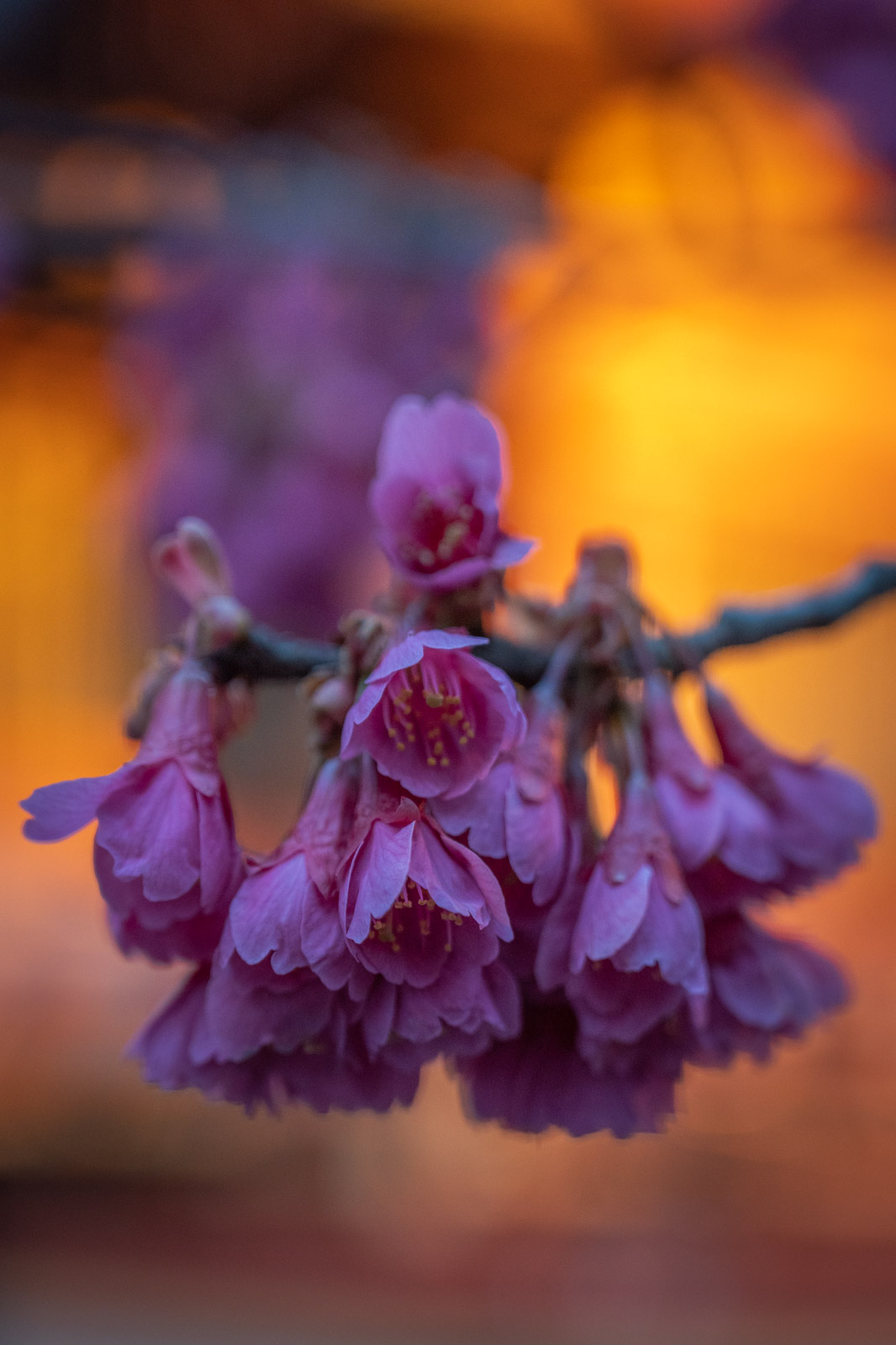
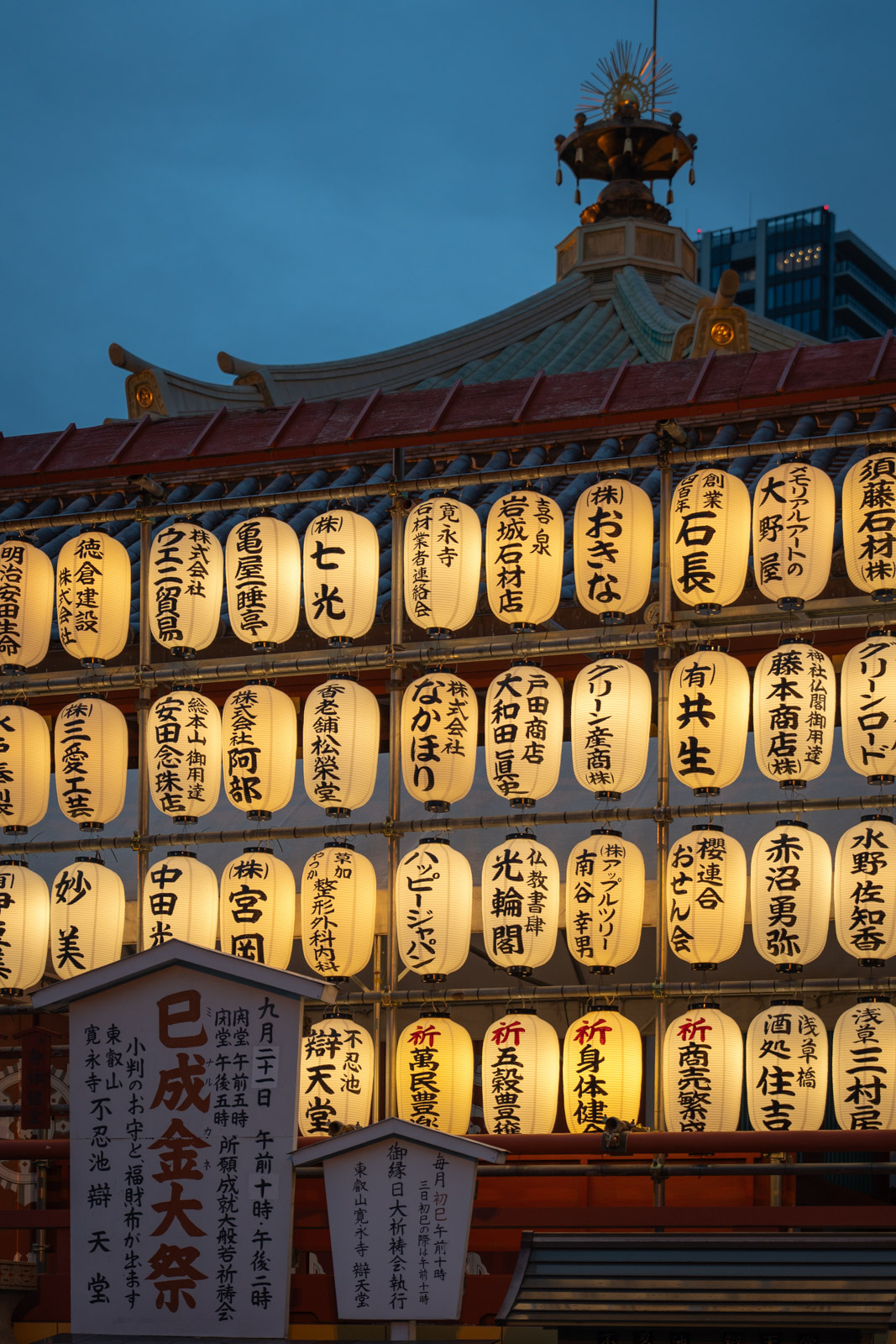
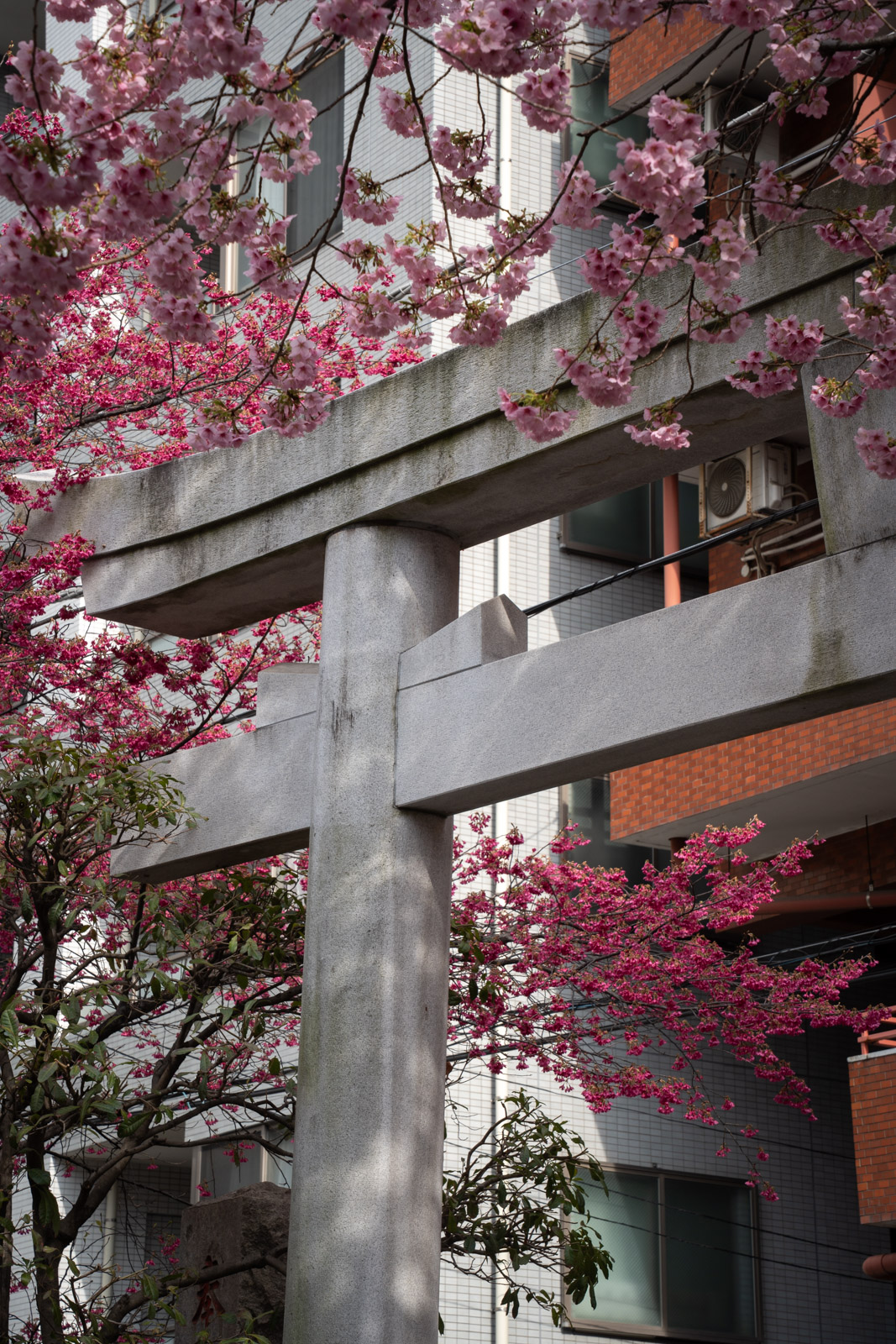
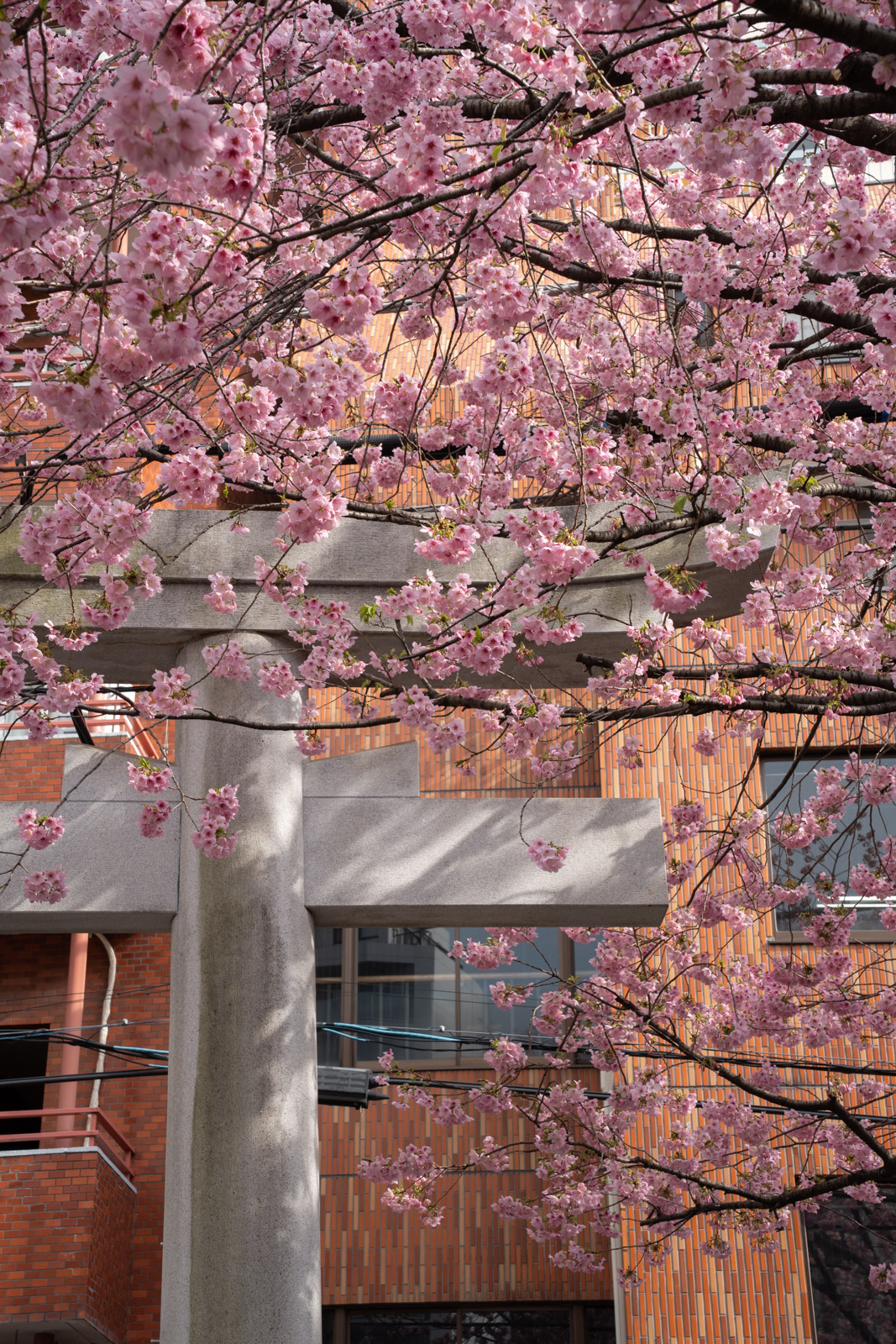
Kuramae Shrine
- peaceful atmosphere
- blossoms around shrine structures
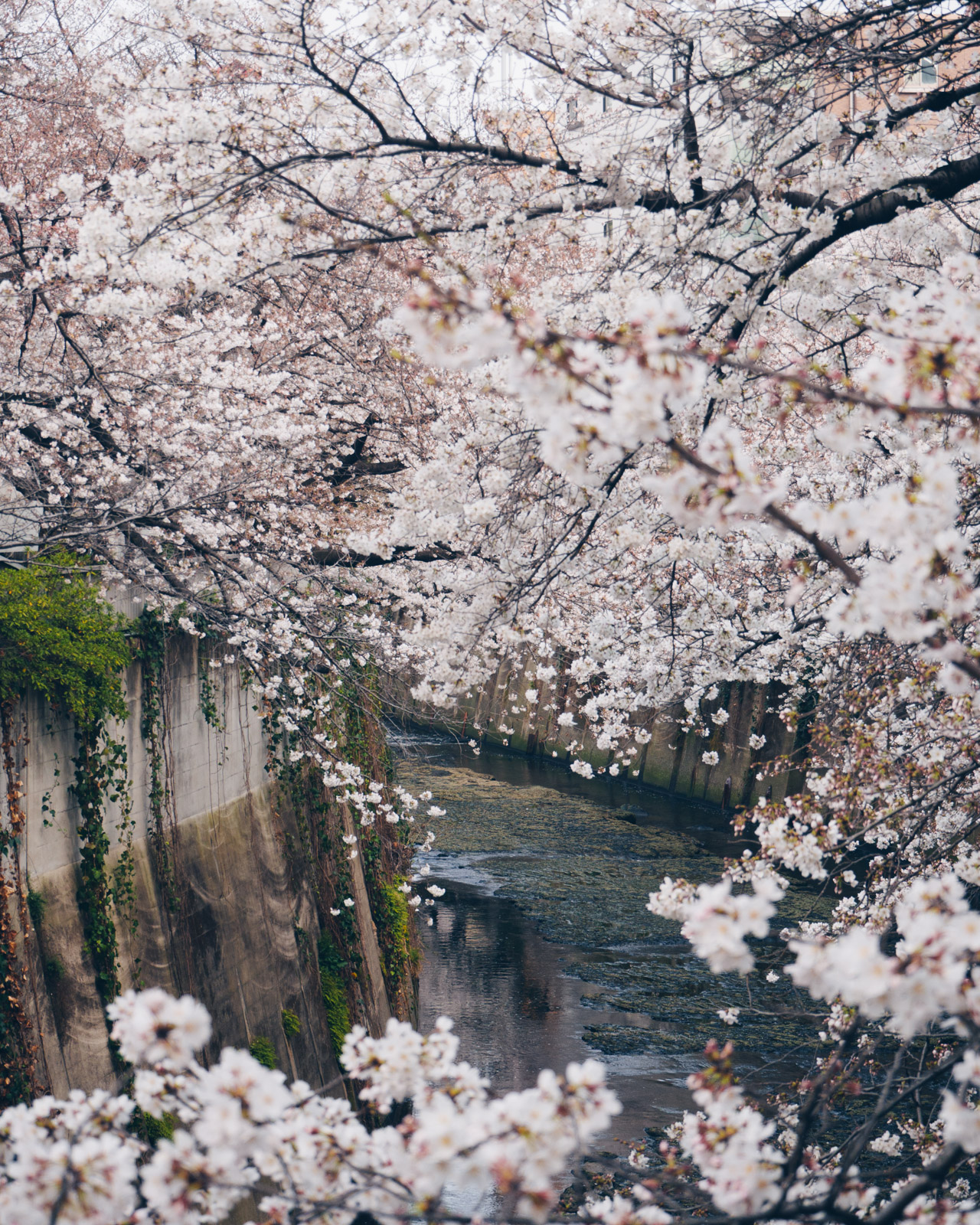
Meguro River
- structured walkway
- very crowded during peak season (very famous)
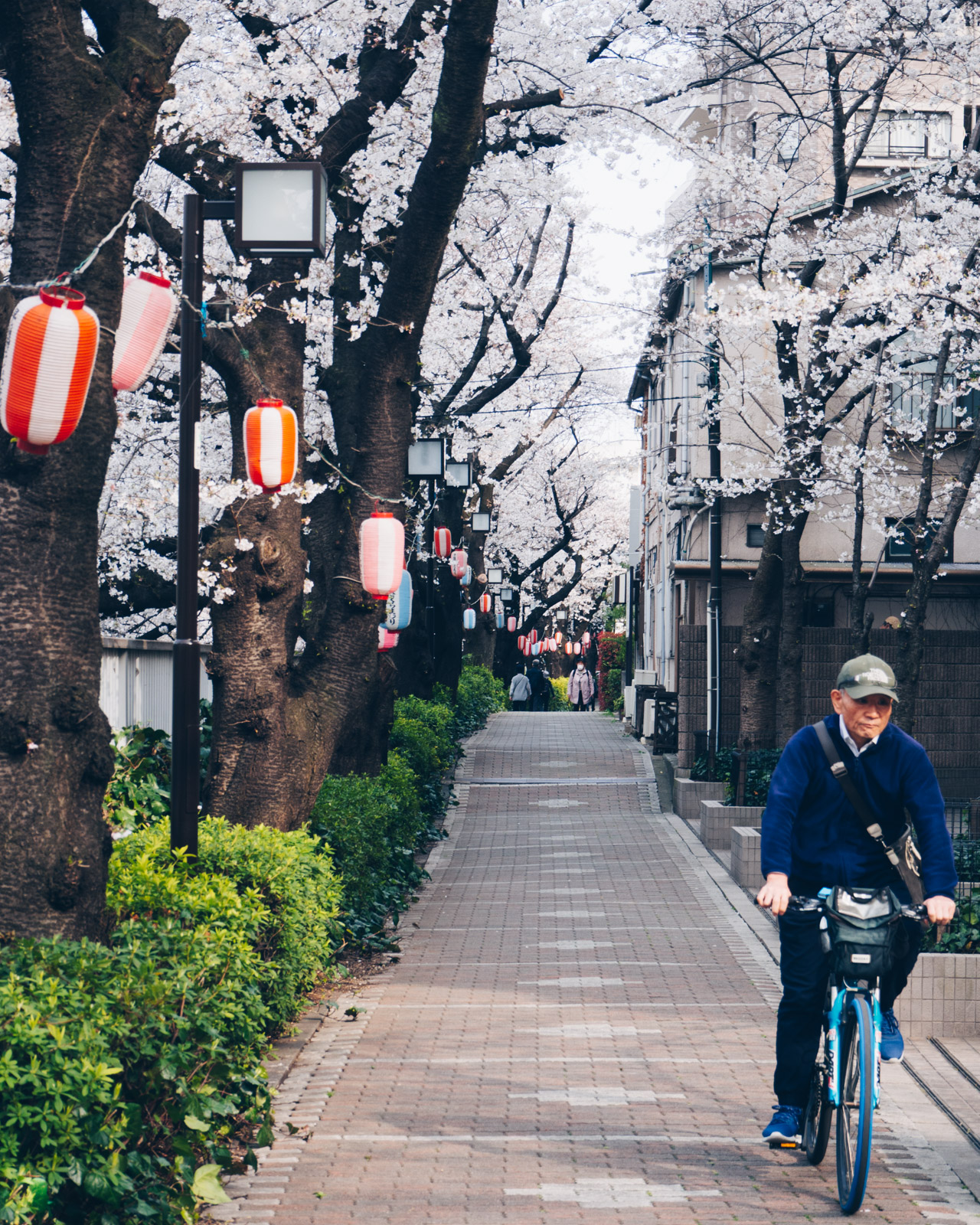
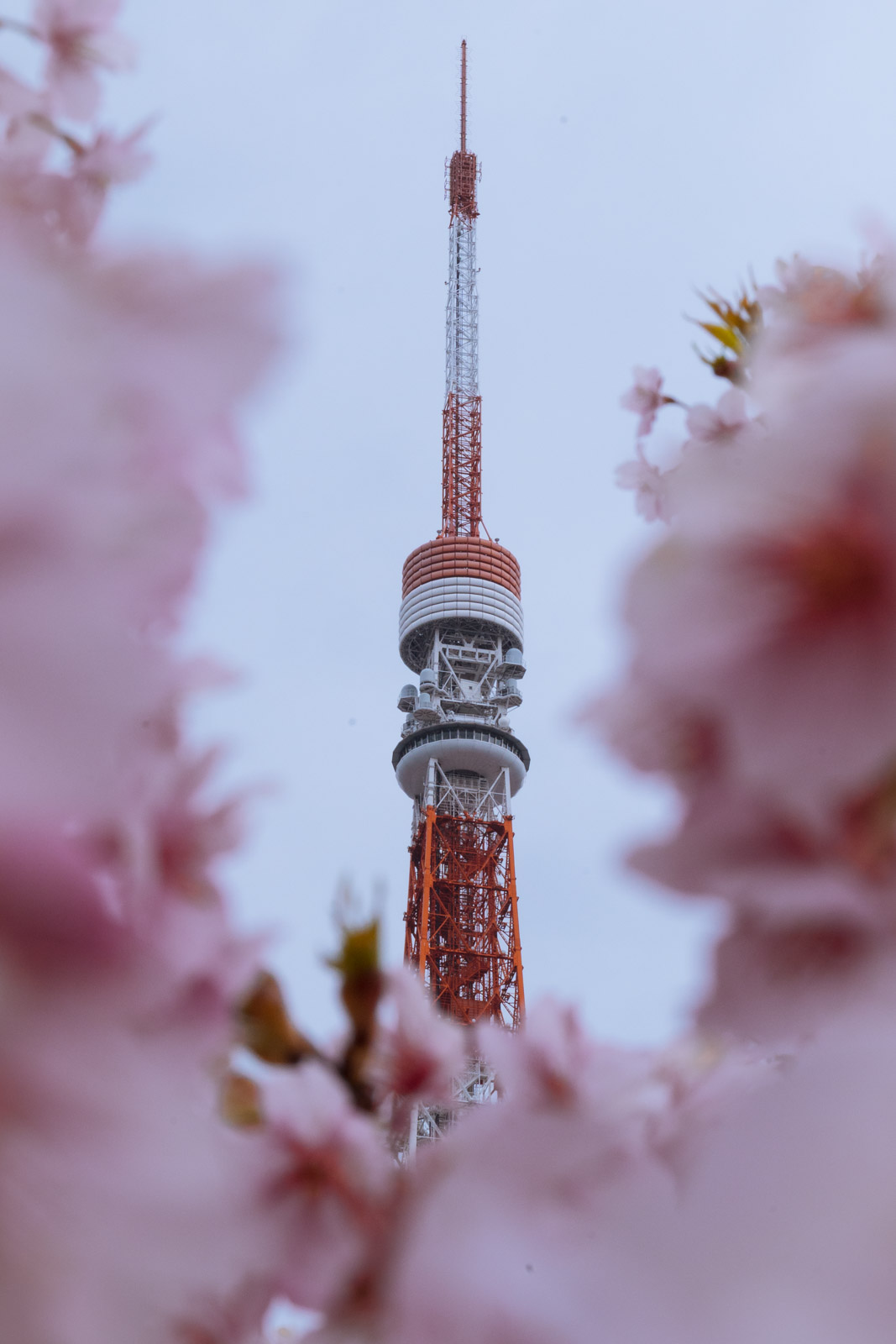
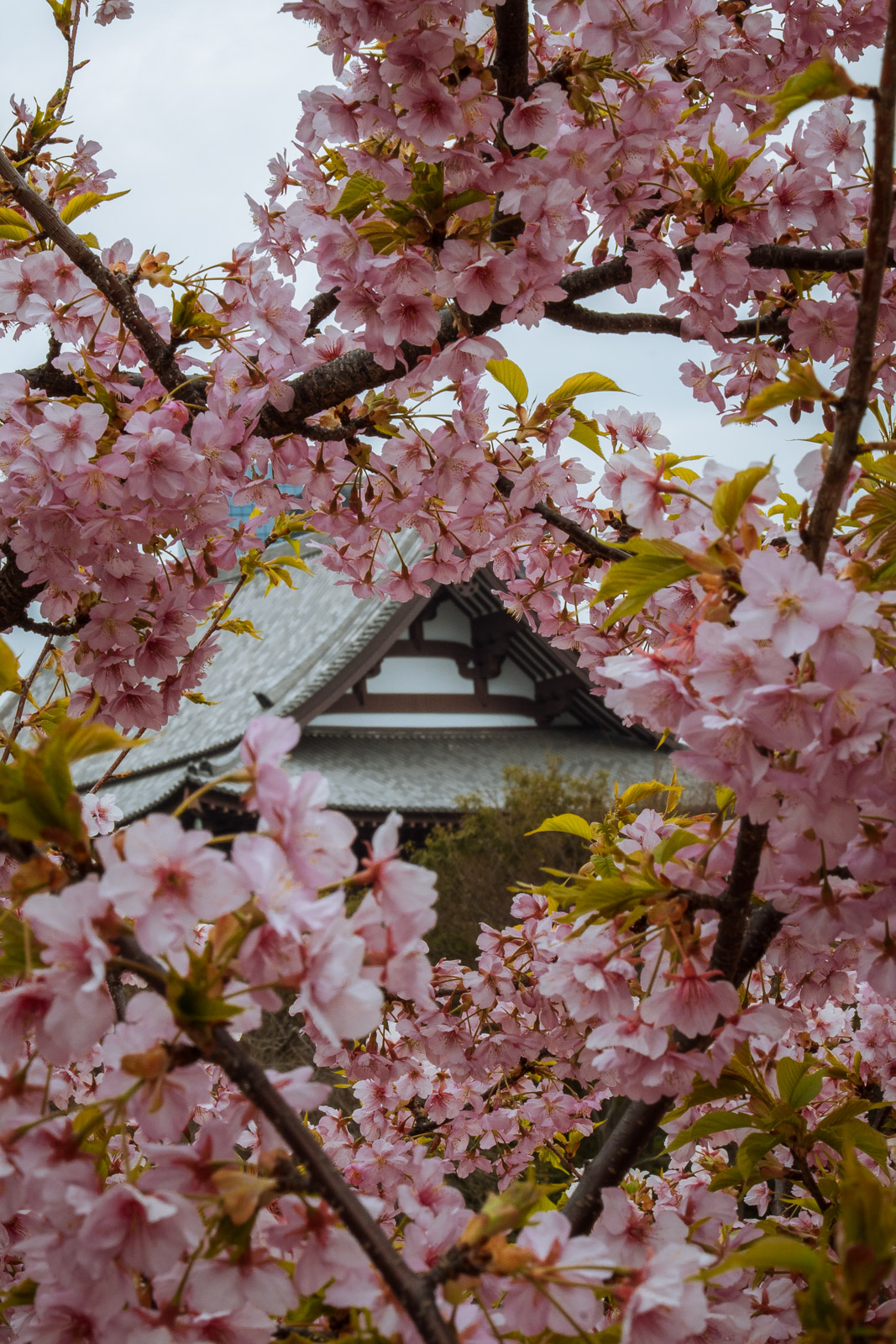
Zojo-ji Temple & Shiba Park
- Tokyo Tower in the background
- more space to wander around
- cherry blossom framing temple + tower
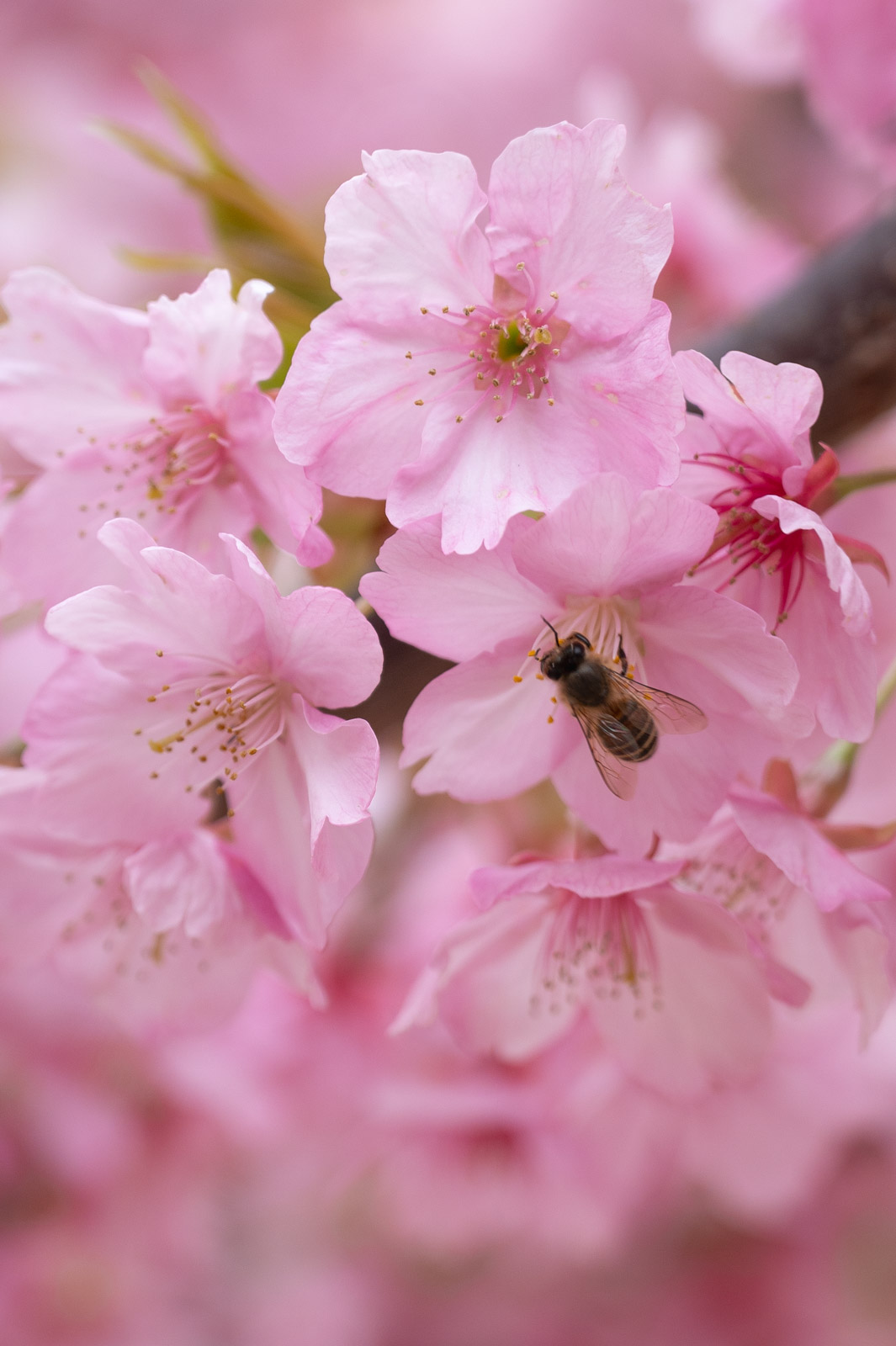
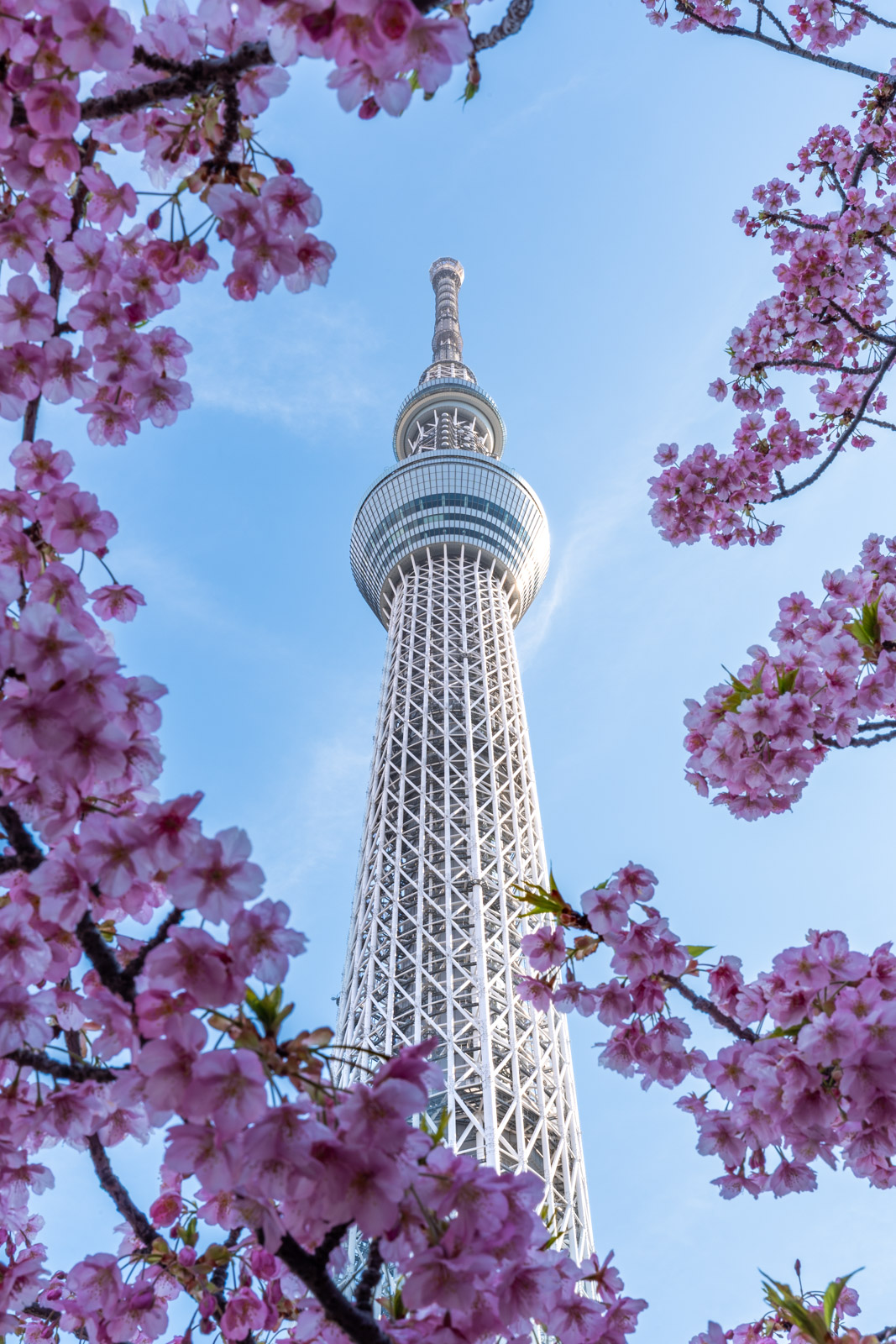
Sumida Park & Tokyo Skytree
- Tokyo Skytree in the background
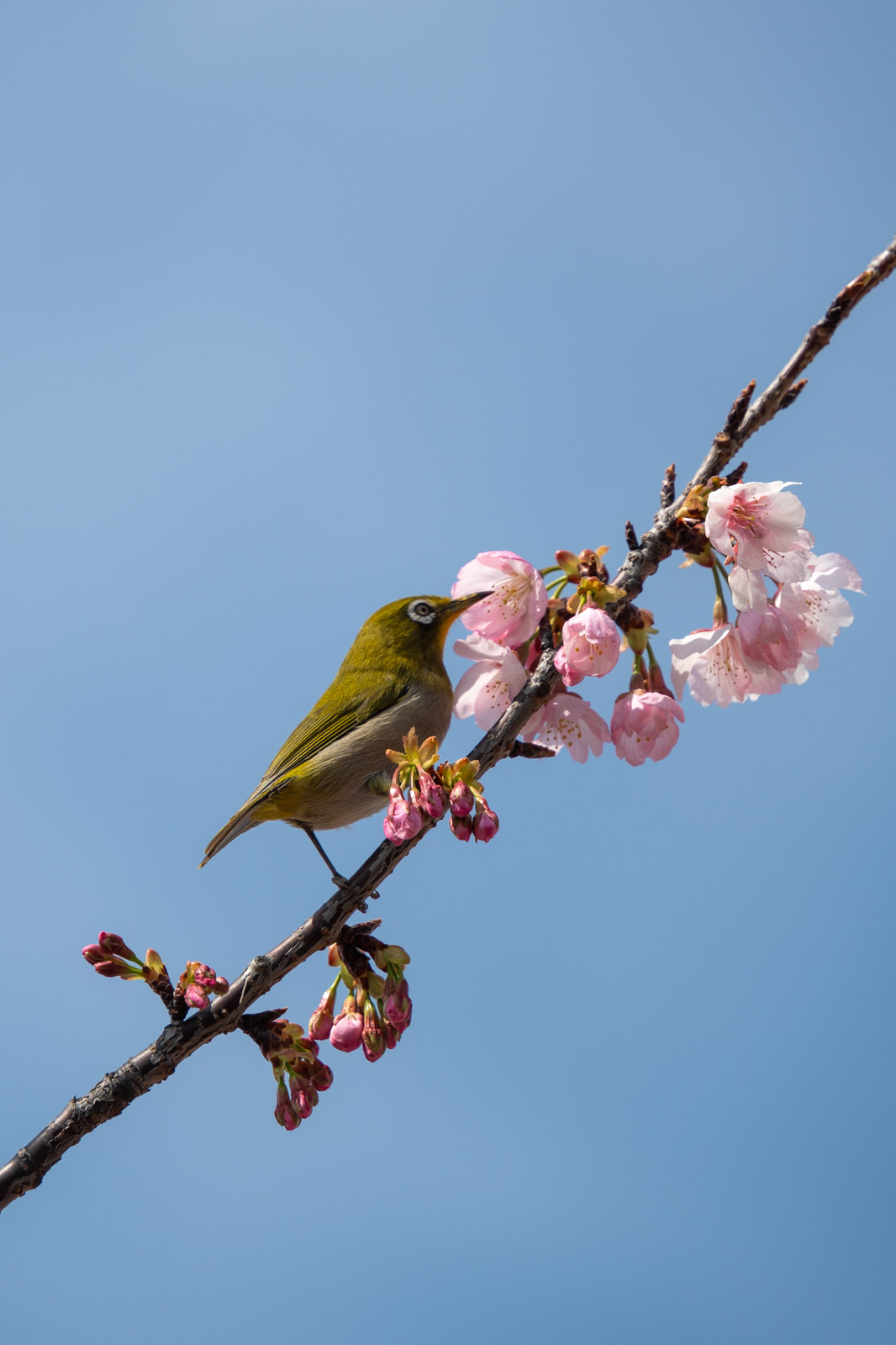
- birds often land in the trees in the Sumida riverside Park
- iconic composition of sakura and Skytree at the foot of the tower
Note: we did not expect to catch cherry blossom during our trip at all. The timing was supposed to avoid peak bloom season and crowds, but parts of Tokyo were already in full bloom. It completely changed the experience.
Final note
This guide is a collection of locations we returned to across different trips in Tokyo, from layovers to full weeks in the city.
What connects all of them is not the locations themselves, but how they work in practice. Most of these spots are not destinations you visit once, but parts of the city you move through depending on light, weather, and timing.
Tokyo changes too fast for a fixed shot list. The same crossing, bridge, or train line can look completely different within a few hours depending on weather, crowds, and light. The same train crossing, street, or bridge can look completely different within a few hours.
What’s also why all of these spots are free and publicly accessible. You can come back to the same spot multiple times, and it will never look the same depending on weather, crowds, and light conditions.
Related articles
If you want to go deeper into specific parts of this trip:
- Tokyo Photography Guide: Free Photo Spots, Trains & Food Stops in the City
- A Week in Tokyo & Mount Fuji: Photography, Food & Travel Itinerary Through Japan
- Mount Fuji Photography Spots: 2-Day Photo Road Trip Itinerary
- Guide to Buying Second-Hand Camera Gear in Tokyo
- Best Tokyo Tower Photography Spots & Instagram Locations